How to Make a Thankful Tree with Kids
A thankful tree is one of the simplest, most meaningful ways to help kids reflect on what they’re thankful for. It turns gratitude into something you can see — a daily reminder of what often lives in the small things: a warm blanket, a good laugh, or time spent together. And the best part? You don’t need fancy supplies or hours of crafting experience and skills. This is an activity that’s super simple. All you need is a few materials, a little creativity, and some intentional family time.
Down below in this post I share free cut outs/patterns to make your very own thankful tree with your littles.
This post is all about how to make a thankful tree with kids.
As an Amazon Associate I earn on qualifying purchases. This post contains affiliate links, which means I make a small commission at no extra cost to you. I am in no way sponsored by any of the companies/products listed below and therefore have no bearing on the products I choose to review or recommend.
Table of Contents
Why Make a Thankful Tree?
For kids, gratitude can feel abstract. A thankful tree makes it tangible. It’s something to visualize and adding the multi-colored fall leaves makes it all the more cuter. Each leaf or tag added represents something real they can see and touch — like the family dog, their favorite toy, or a walk in the woods.
To get some additional ideas for prompts for reflecting on gratitude and thankfulness, check out my blog post for printable gratitude cards. These prompts help to hone in on thoughts of gratitude unlike just a generic question such as, “what are you grateful for?” That’s a very broad question! The prompts are used to help with the process. I’ve also discussed some of the benefits of expressing gratitude for what you have, for your loved ones, and a way to reflect on everything experienced throughout the year.
With the thankful tree, over time, the branches fill with colorful reminders of what matters most. It’s also a wonderful opportunity for parents and caregivers to talk about gratitude in everyday life. Even small moments of reflection can make a big difference in helping children develop empathy, joy, and perspective.
How involved the child is will be dependent on his/her age.
The Meaning Behind Gratitude Crafts
When children take part in gratitude projects, they’re not just making art — they’re building emotional awareness. Studies have shown that regular gratitude reflection helps kids (and adults) experience greater happiness, improved focus, and a stronger sense of belonging.
What I found interesting in my research about practicing gratitude is that we’re actually not naturally programmed to focus on the positive. In an article on WedMD, “Gratitude: How to Practice It, Benefits”, Cortland J. Dahl, PhD, a research scientist at the University of Wisconsin-Madison Center for Healthy Minds, explains why this is the case. “It goes back to our biology and evolution,” he says. “We’ve evolved not to be happy but to survive, and focusing on the negative is what’s helped us to survive in the past.”
Know this tidbit of information explains so much if you think about it. We’re not wired to think in a positively, in spite of some people focusing on the good in situations.
Crafts like the thankful tree encourage:
- Creativity: Kids get to design their leaves, decorate branches, and personalize their tree.
- Mindfulness: They pause to think deeply about what makes them feel happy and loved.
- Communication: It opens the door to heartfelt conversations between family members.
- Tradition: Over time, these crafts become treasured family keepsakes you’ll look forward to each fall.
It would be super cute and so wholesome to save the thankful tree(s) created by your family.
What You’ll Need to Make a Thankful Tree
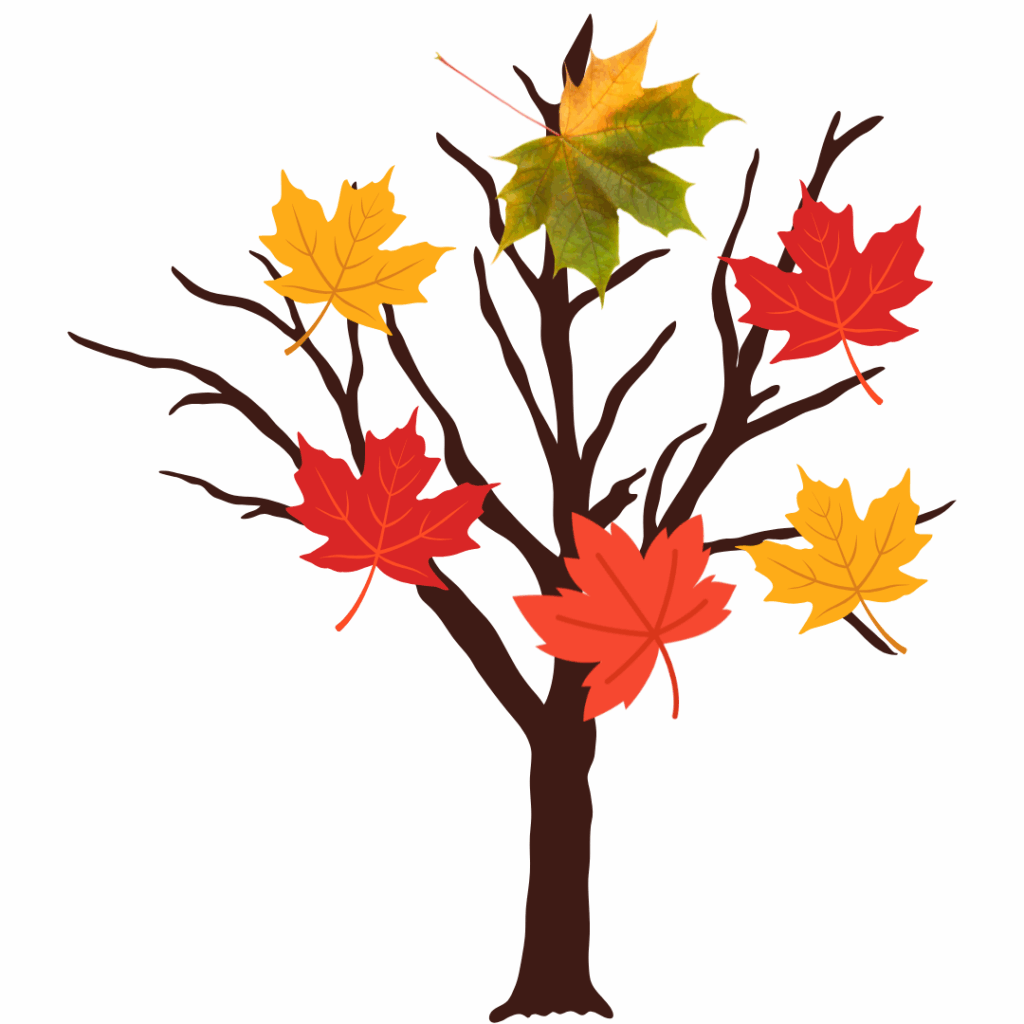
There are a couple of ways you can make a thankful tree. I’ve seen quite a few different ways to make it. One way to make one is to take a sheet of paper (any size, depending how big you want it) and draw the shape of a tree. Next take my free leaf pattern, print it out, write what you’re thankful for, and then stick on on the tree. Alternatively, I’ve provided the shape of a tree to be cut out and the leaves added. Hang it on the fridge, wall, or door – wherever is the best place in your home.
However, there is another option!
One of the best things about this project is how adaptable it is. You can make it with what you already have at home — from backyard branches to recycled paper. Here’s a basic list to get you started:
Materials
- A large mason jar, vase, or flower pot
- Branches or twigs (dry and sturdy)
- Colored paper, cardstock, or fall-themed scrapbook paper
- Scissors
- Hole punch
- Twine, ribbon, or string
- Pens or markers (fine tip for writing)
Optional Additions
- Mini clothespins to attach leaves
- A small sign that says “Our Thankful Tree”
- Battery-operated fairy lights for a cozy glow
- Stickers, glue, glitter, or watercolor paints for decorating leaves
Tip: If you’re making this with younger kids, pre-cut the leaf shapes ahead of time and let them handle the decorating.
Step-by-Step Instructions: How to Make a Thankful Tree with Kids
Ok, now it’s time to start constructing the tree – the best part! Here’s a simple, family-friendly guide to creating your own thankful tree from start to finish.
Step 1: Gather Your Materials
Take a quick walk outside together to collect small branches or twigs. Look for branches that are sturdy but not too heavy, and about 1–2 feet long.
Step 2: Prepare the Base
Place your branches into a mason jar, vase, or pot. If they shift around, you can use small rocks, beans, or sand to stabilize them. Let your kids help with arranging the branches so they “look like a tree.”
Step 3: Create the Leaves
Trace and cut out leaf shapes from your paper. You can find leaf templates online, use the template I’ve provided or simply freehand a few. Encourage kids to choose fall colors like orange, yellow, red, and brown. You can even consider putting some real leaves on the tree.
Step 4: Reflect and Write
This is where the magic happens. Ask your kids to think about what they’re thankful for — big or small. Write each answer on a leaf. For younger children, you can write their responses for them. Older kids can decorate their leaves how they like.
Here are some prompts to get the ideas flowing:
- “What made you smile today?”
- “What’s something kind someone did for you?”
- “What’s your favorite thing about fall?”
- “Who do you love spending time with?”
Step 5: Attach the Leaves
Use a hole punch to make a small hole at the top of each leaf. Thread a piece of twine through and tie it to a branch. As the days go on, keep adding more leaves. Watch your tree “grow” as your family’s gratitude grows with it.
Step 6: Display and Enjoy
Place your thankful tree somewhere visible — the dining room table, entryway, or kitchen counter. It’s a beautiful, conversation-starting centerpiece that reminds everyone to pause and appreciate what they have.
Voila! Now you have a thankful tree!
Teaching Gratitude Through the Thankful Tree
The thankful tree naturally opens up opportunities for deeper discussions about gratitude and kindness. There are a few things you can do to continue to encourage it.
Make it part of your daily routines. Consider encourage each family member to add a new leaf every day leading up to Thanksgiving. You can decide how many days you want to put this into practice. It can become part of your evening routine. For example, it can be done right before bedtime or dinner. It’s totally up to you and your family.
Focus on getting specifics and deciding the best ways for your family to be prompted. Help children be more specific besides simply “I’m thankful for my toys.” Ask follow-up questions like, “Which toy makes you happiest?” or “Who did you play with today?”. This helps to build emotional awareness and vocabulary.
It creates a connection between gratitude and action. After filling up the tree, talk about the ways your family can express gratitude — writing thank-you notes, baking for a neighbor, or donating to a local cause.
These are just some examples as to how you can further the teachings, incorporate them, and make them into a tradition.
Educational Benefits of the Thankful Tree
The thankful tree might look like a simple craft, but it’s packed with developmental benefits for kids. So let’s go over how exactly it can be beneficial.
It helps with cognitive growth through a number of ways: problem solving, planning, and fine motor skills when children trace, cut, and decorate their leaves. The thankful tree helps to improve and expand emotional intelligence. Children are taught how to express gratitude, their emotions (both their own and others’), and empathy. This tradition can also help with language development. As children share what they’re thankful for, it encourages strengthening of their communication skills, expands their vocabulary, and helps to practice reflection. Having a thankful tree teaches children creative expression. By decorating the leaves it allows them a chance to express their individuality, make choices, and most importantly, be proud of their work. Lastly, it can help them learn mindfulness and gain a sense of calm. Creating something beautiful and meaningful to a child help them to slow down and be grounded. This is something super important to learn especially during busy times throughout the year.
Creative Variations on the Thankful Tree
As I mentioned before there are a few ways to create a thankful tree. Once you’ve made your first thankful tree, you’ll quickly realize there’s no “one right way” to do it. Here are some versions to try:
- Make miniature tabletop trees: Make smaller versions for each child to decorate and keep in their room. It’s a wonderful personal gratitude practice.
2. Create a chalkboard tree. Draw a tree trunk and branches on a chalkboard wall or large poster board, then write thank-you notes directly on the branches.
3. String together a gratitude garland. Turn your thankful leaves into a garland. String them together and hang them across your mantel, dining table, or window.
Whatever you and your family choose to do, have a family keepsake tree. Save your leaves each year in a memory box. You’ll love looking back at them together with your children.
Keeping the Gratitude Going All Year Long
A thankful tree doesn’t have to end when Thanksgiving does. As I mentioned in my previous blog post, thankful trees can be used during birthdays, anniversaries, or any other special occasion throughout the year. Consider turning it into a year-round practice by doing the following:
- Winter: Write down small joys like snow days, hot cocoa, or time by the fire.
- Spring: Celebrate new beginnings — blooming flowers, garden seedlings, fresh goals.
- Summer: Capture happy memories like family trips, swimming, and long evenings.
- Fall: Reflect on lessons learned and moments of gratitude from the year.
Creating a Thoughtful Tradition
In many homes, the thankful tree becomes as cherished as carving pumpkins or decorating the Christmas tree. It’s a visible reminder of what’s truly important, especially in a world that moves too fast.
Picture this: The fire crackling, leaves rustling outside, kids giggling as they write their thankful notes in crayon. The branches of your tree start to fill, each one a small story — the friend who helped with homework, the new puppy, a cozy blanket, a good meal shared. If you’re looking for an activity to reduce screen time or find something to do on a cold, rainy day, this is the perfect thing to do! These little leaves become symbols of something bigger: love, connection, and abundance.
And that’s what makes this project so timeless. It’s not just about crafts or décor — it’s about cultivating gratitude as a family value, one leaf at a time.
Final Thoughts
Making a thankful tree with kids is more than a seasonal activity — it’s a tradition that grows deeper roots each year. It’s a simple, beautiful way to teach gratitude, strengthen family connection, and bring warmth into your home. You’ll be surprised how something so easy to make can leave such a lasting impression.
So grab a few branches, some paper, and your favorite markers — and start building your family’s forest of thankfulness. One leaf, one thought, one moment of gratitude at a time.
This post was all about how to make a thankful tree with kids — a cozy, creative, and meaningful tradition that brings joy to every season.