Printable Gratitude Cards for the Thanksgiving Table
Thanksgiving is about more than the feast — it’s about pausing to reflect on the blessings that fill our lives. And yes, we should definitely be thankful throughout the year for the blessings we have. But, in my opinion, this time of year is so magical. I guess it comes from all of the wonderful childhood memories I have around this time of year. While the turkey roasts and laughter fills the house, there’s something beautiful about weaving gratitude right into your table setting. It’s the perfect way to also start new family traditions if this isn’t already one. Creating traditions brings family members or friends together. “Having healthy human connections with our family members is crucial for our social well-being and overall wellness.
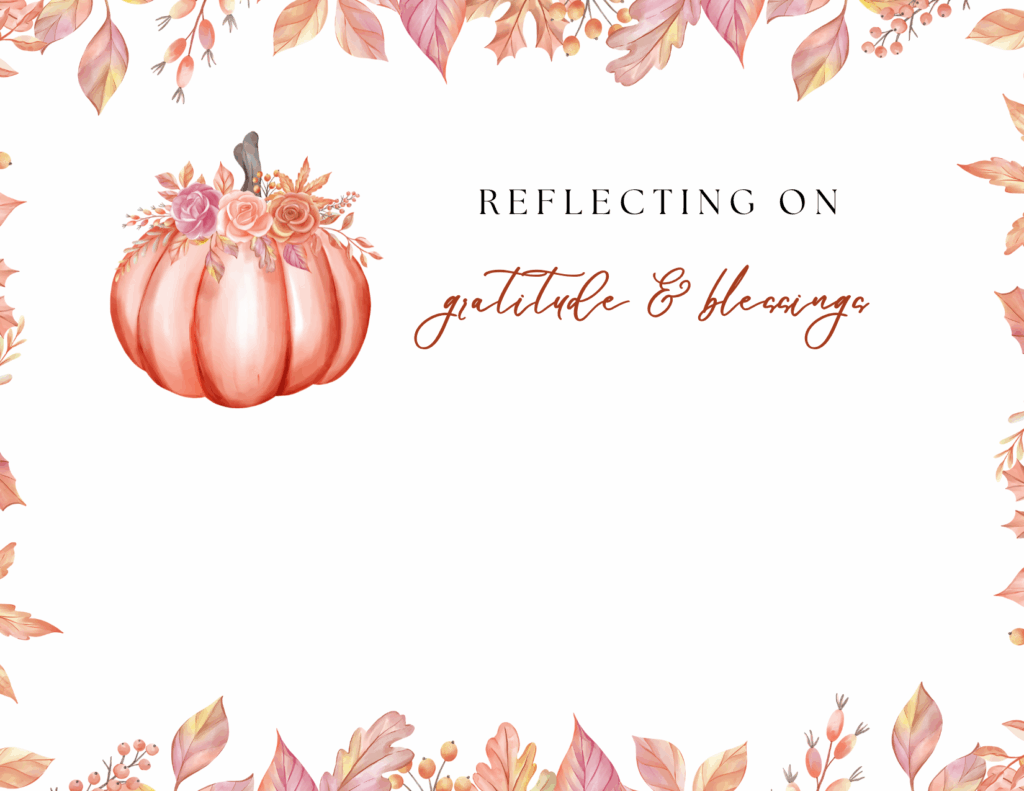
Printable gratitude cards are a simple, heartfelt way to do just that. They encourage conversation, spark reflection, and help create meaningful moments between family and friends. Plus, they double as thoughtful, handmade décor that instantly adds warmth to your Thanksgiving table.
This post is all about printable gratitude cards for the Thanksgiving table — how to use them, print them, and create a new family tradition that everyone will love.
As an Amazon Associate I earn on qualifying purchases. This post contains affiliate links, which means I make a small commission at no extra cost to you. I am in no way sponsored by any of the companies/products listed below and therefore have no bearing on the products I choose to review or recommend.
Table of Contents
Why Use Gratitude Cards at Thanksgiving
Gratitude traditions aren’t just for Thanksgiving Day — they help shape a mindset of appreciation all year long. When children see adults pausing to give thanks, they learn that gratitude doesn’t depend on life being perfect, but on recognizing small joys in each day. These moments build emotional resilience and stronger family bonds.
Between meal prep and table settings, it’s easy to get caught up in the details. At some point during the evening, have everyone sit down and take a moment to write down what they’re thankful for. The room feels calmer. The conversation deepens. It provides a moment to actually pause and reflect.
Some ideas for gratitude are:
- A roof over your head and a safe place to live
- Overcoming fears or mistakes, and the lessons they teach
- For your body and the gift of movement
- A healthy pregnancy, safe birth, and healthy baby, or a healthy family
- Waking up in the morning and feeling the sunshine
- Lessons learned throughout the year
Gratitude cards are a small touch that make a big impact. Whether you’re hosting a big family gathering or an intimate dinner, they help remind everyone what the day is really about — connection, reflection, and appreciation. I’ve put together a 50 gratitude reflection questions to help you. These are free for you to print at home and use.
You can use them in so many ways:
- Place one at each setting as a conversation starter
- Collect them in a basket to read aloud after dinner
- Encourage kids to draw pictures of what they’re thankful for
- Save them each year and watch your family’s gratitude grow
You can even make them a fun family craft night before Thanksgiving. Set out cardstock, stamps, dried leaves, or twine and let everyone decorate the cards. Below, not only do I include my own gratitude cards for your use, but also outline how you can even make your own.
Benefits of Reflecting on Gratitude
There are many benefits to acknowledging what you’re grateful for. Taking a few quiet moments to reflect on gratitude can have a bigger impact than you might expect. Beyond being a simple holiday tradition, it’s a practice that nurtures joy, mindfulness, and stronger connections — both with others and with yourself.
It Strengthens Relationships
When we express appreciation, whether aloud or written on a small card, it reminds others they’re seen and valued. Gratitude strengthens bonds and helps everyone at the table feel more connected. Kindness inspires more kindness – and we need more of that in the world today.
It Brings Calm to a Busy Season
Thanksgiving often comes with long to-do lists and a full calendar. Reflecting on gratitude helps slow the pace, shift focus away from stress, and return your attention to what truly matters. At this point in my life, I’m all about slowing things down and enjoying the people around me. In our busy culture, it can be hard to learn this skill. Taking time to pause and notice the good — even in small ways — helps reduce stress and replaces overwhelm with contentment.
It Boosts Emotional Well-Being
Gratitude gently rewires how we see the world. Regular reflection can improve mood, ease anxiety, and invite more peace into your daily life — one thankful thought at a time.
It Encourages Perspective and Growth
Reflecting on gratitude helps us notice how far we’ve come. It reminds us that blessings aren’t always grand — sometimes they’re found in quiet progress, kind gestures, or lessons learned.
It Makes the Celebration More Meaningful
Turning thankfulness into a tangible activity, like filling out printable gratitude cards, transforms your gathering into something deeper and more memorable.
It Fosters Mindfulness
Writing down what you’re thankful for encourages you to pause and notice details you might otherwise overlook — the scent of a simmering meal, laughter around the table, or the warmth of candlelight.
It Inspires Generosity
When gratitude becomes part of our mindset, it naturally inspires giving — of our time, our attention, or our help to others. A grateful heart often becomes a giving one.
It Strengthens Family Traditions
Whether you read the cards aloud or collect them in a keepsake box, gratitude reflections can become a cherished family ritual that grows richer each year.
It Connects Us to the Present Moment
Gratitude is an invitation to stop and savor — to appreciate what’s right here, right now, instead of waiting for life to be perfect.
It Cultivates Resilience
During challenging seasons, reflecting on what’s still good helps you find balance and hope. Gratitude doesn’t ignore difficulty — it simply gives you the strength to face it with perspective.
It Encourages a Sense of Community
When everyone at the table shares what they’re thankful for, it reminds us how interconnected our lives are. Gratitude builds bridges and deepens a shared sense of belonging.
It teaches children about reflection and gratitude to carry throughout their lives.
For younger kids, gratitude can be as simple as drawing something that made them happy that day. It teaches them to notice moments — a hug from a parent, a pet’s silly antics, or their favorite snack. Encourage them to share these during dinner for a sweet, grounding family ritual.

How to Print and Use the Gratitude Cards
You can easily download and print these gratitude cards right at home — no special supplies needed!
Here’s what you’ll need:
- The Printable Gratitude Cards PDF (available below)
- Printer and cardstock paper (white, cream, or light kraft looks beautiful)
- Scissors or a paper trimmer
- Optional: Ribbon, twine, or mini clothespins for creative display
To assemble:
- Download and print your cards on 8.5×11″ cardstock.
- Cut along the guide lines.
- Place one at each seat, or display them in a basket or tray on the table.
- Add a pen, pencil, or fine-tip marker at each setting so guests can write easily.
Alternatively you can use the PDF to print via a website like Canva and have them printed on postcard. The PDF has 50 cards, and at the time of this posting costs about $34.
After you’ve made your gratitude cards and filled them out, put them on display with these ideas:
- Hang them on a twine garland across the mantel.
- Clip them to a small branch centerpiece for a rustic touch.
- Add them to name cards at each place setting for a thoughtful keepsake.
Creating a New Family Tradition
The best part about gratitude cards is how they bring families closer together. After dinner, take turns reading your cards aloud, or collect them in a keepsake box to look back on each year. You can even keep the tradition going beyond Thanksgiving. Here are some ideas of when you can use gratitude cards without it being Thanksgiving:
- Birthdays
- Sunday dinners
- Christmas
- Anniversaries
Snap a photo of your family each year holding their gratitude cards. Over time, you’ll not only have a jar of thankful notes but also a visual reminder of how your family and blessings have grown.
Download Your Printable Gratitude Cards
Click below to download your free printable gratitude cards and bring a little more heart to your Thanksgiving celebration.
Download your free Printable Thanksgiving Gratitude Cards here!
Print as many as you need, share them with friends, and use them year after year.
Make Your Own Gratitude Cards
Of course, you can also choose to make your own gratitude cards. The ones I’ve provided are just to make it easier for you during the holiday – it’s one less thing you have to do. Think about what questions you’d ask if you made your own. The website Holstee has some great suggestions for making your own. Think about your Reflection Style as Holstee refers to it.
“Do you prefer a structured approach with prompts or a more open-ended format,” (Holstee).
A structured prompt may look more like filling out the “3 Ws“, like what, why, and what’s next. An open-ended format doesn’t allow for a yes or no answer. It’s used to encourage thinking on a deeper level. The Holstee website encourages that while writing questions to do the following:
“Skip prompts like “I’m grateful for my health.” Instead, try “What specific aspect of my health am I most grateful for today, and why?“.
Asking questions like “what are you thankful for?” seems just to broad. By honing in with the questions, it allows for more specific and thoughtful responses.
How Else Can You Practice Reflecting Gratitude
There are a couple of other ways you can practice reflecting on what you’re grateful for in your life. One way is through journaling, or using a gratitude journal. This type of journal is specifically for writing thoughts down and may have prompts included.
Write thank you notes to acknowledge if someone has done something kind or something that you’re grateful for. These can be handwritten notes because they’re more personal than a simple text.
Do random acts of kindness. Show your gratitude to someone by helping or doing something for them that may be unprompted. My husband and I usually do our own laundry and we take “turns” doing our daughter’s. It’s usually whoever has a moment to do hers, not that we have a schedule. However, if my husband has been super busy and hasn’t had time to do his own laundry, I’ll give him a hand. I’ll wash, dry, fold, and put his laundry away for him. He would do the same for me without even asking.
Set up a gratitude jar. Grab any type of container (glass, plastic, etc) and write little messages/notes of what you’re grateful for. Place them in the jar. On special occasions or when you need an emotional boost, pause to pull out the notes and read them. I think this would also be a great idea to include children with.
Final Thoughts
Thanksgiving doesn’t need to be elaborate to be meaningful. Sometimes, it’s the smallest details — like a handwritten note of thanks — that create the warmest memories. As you gather this season, take a moment to pause, reflect, and share gratitude. After all, the best decorations at your Thanksgiving table are the people sitting around it
When would you use gratitude cards? Share your ideas below in the comments!
Resources
Gratitude Cards: Appreciate this Moment. (n.d.) Holstee. Retrieved October 29, 2025. https://www.holstee.com/blogs/mindful-matter/gratitude-cards-appreciate-this-moment?srsltid=AfmBOorWwgOyEt3oP802JYJOf2SuT880agLFbU1M2lMWyASVFPKnZfqX .
How to Find Things to Be Grateful For (Even When It’s Tough)
Other Posts You May Like
Family Autumn Activities that Don’t Break the Bank