How to Turn a Small Yard Into a Mini Homestead
This post is all about homesteading—what it means, how it works, and how to turn any small yard into your own version of a homestead farm.
For the longest time, I thought homesteading required endless acres, a barn full of animals, and a huge garden that stretched out into the horizon. But over the years, I’ve realized that’s not true at all. You can homestead anywhere!
Homesteading has less to do with the size of your land and more to do with the way you choose to live.
You don’t need 20 acres, a tractor, or a rural zip code. You can practice many homesteading skills right where you are, even if you have a small suburban yard, a sloped lawn, or just a couple of raised beds tucked around your home. If you’re dreaming of a simpler, slower lifestyle centered around growing food, reducing waste, and making your home more self-sufficient, this guide will help you transform even the smallest yard into a cozy, productive mini homestead.
This post is all about homesteading.
As an Amazon Associate I earn on qualifying purchases. This post contains affiliate links, which means I make a small commission at no extra cost to you. I am in no way sponsored by any of the companies/products listed below and therefore have no bearing on the products I choose to review or recommend.
Table of Contents
What Is Homesteading?
Homesteading is often described as a lifestyle focused on self-sufficiency, simple living, and growing or making more of what your family uses. Traditionally, the term brings to mind old-fashioned homestead farms with livestock, fields, and lots of land.
But today, the modern homestead definition has expanded. Modern homesteading can mean:
- Growing your own fruits, vegetables, herbs, or flowers
- Making things from scratch (like bread, broth, or herbal teas)
- Raising small animals if your space allows (chickens, quail, or rabbits)
- Be sure to check your local ordinances about what is allowed and what isn’t.
- Learning sustainable skills like composting or food preservation
- Reducing dependency on grocery stores
- Creating a home that supports your health, peace, and well-being
And yes — you can do all of this from a small yard. Many people create an incredibly productive mini homestead on just ⅛ acre, a small patio, or a standard suburban backyard. You can even start on your kitchen counter. The point is to start where you are. Learn skills along the way on your journey and while waiting to achieve your goals – whatever that may look like for you. The point is you don’t have to wait for a more ideal space to get started.
Start With a Small-Space Garden
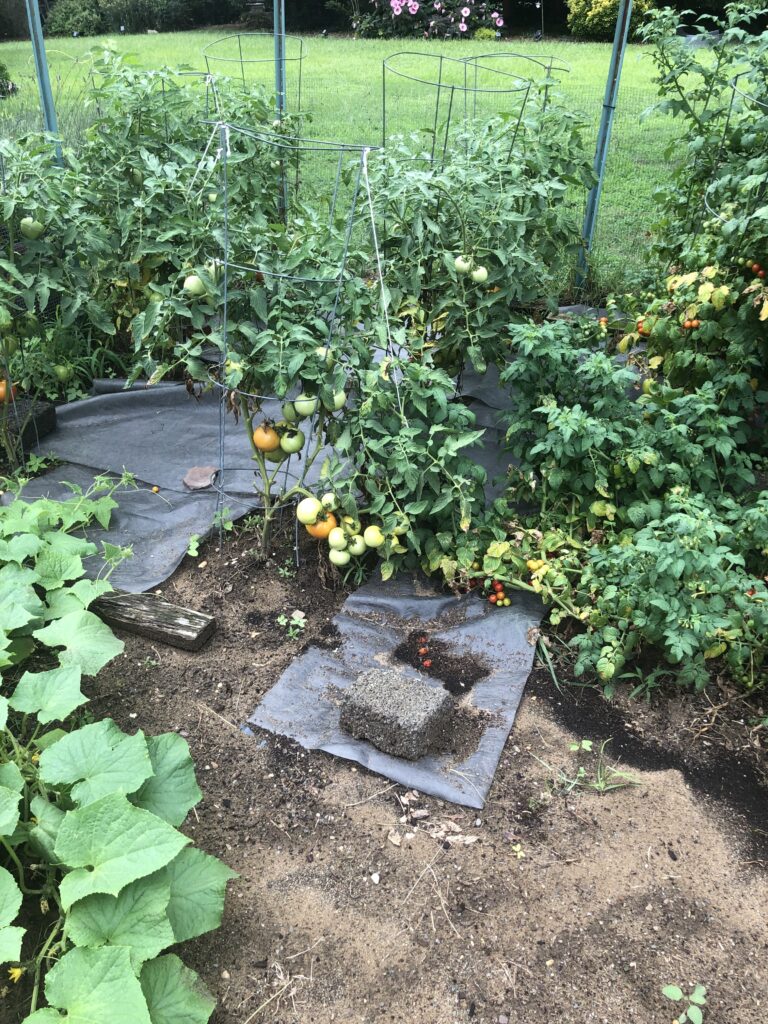
If you want to turn your yard into a mini homestead farm, the garden is the heart of it. There are all different types of gardens to choose from based on the size of what you have to work with.
Some ways to grow food in small spaces may look like:
- Raised beds: Perfect for control, organization, and use techniques like square foot gardening to maximize yields.
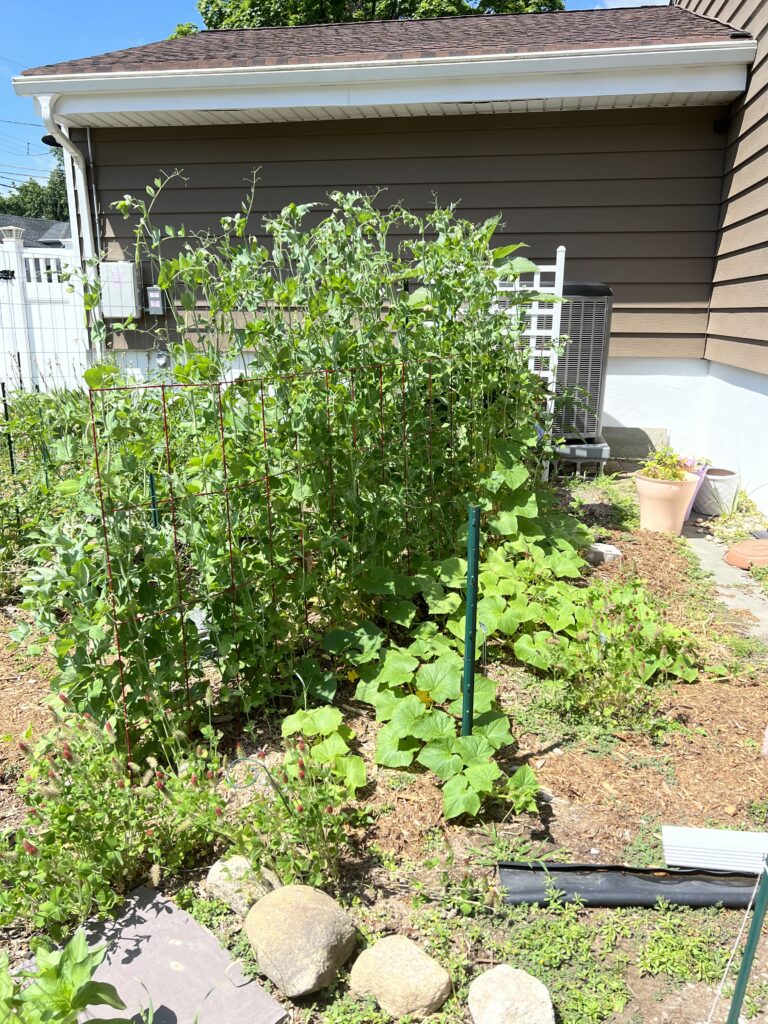
- Vertical gardening: Trellises, fences, and archways allow cucumbers, beans, peas, and squash to grow up instead of out.
- Container gardening: Great for patios or tiny yards; tomatoes, peppers, herbs, and even potatoes thrive in pots.
- Grow bags: Affordable, lightweight, and ideal for renters.
If your goal is to boost self-sufficiency, start with productive crops like lettuce, cherry tomatoes, herbs, kale, zucchini, and green beans. They grow quickly and produce heavily.
Tip: Choose varieties that match your climate and growing zone — and don’t forget frost dates!
Add Herbs Everywhere (Truly, Everywhere)
Herbs are the easiest way to bring homesteading into a small yard — and into your kitchen. Some herbs also come back year after year, so there’s less planting involved. For example, I planted a whole patch of chives a few years ago, and I didn’t have to plant anymore. They return every year and have really beautiful purple flowers that the bees love! The same is true for oregano and sage that I planted a couple of years ago.
Since they can grow pretty much anywhere, plan to plant them along pathways, in raised beds, in pots on a patio or deck, or even throughout your garden beds.They attract pollinators and help protect other plants from pests if you practice companion planting/interplanting.
Compost (Even in a Tiny Space)
Whether you have a big plot of land or not, anyone can compost anywhere. It’s super simple to do, and if done correctly, there shouldn’t be much smell to it; it smells like the earth. Composting involves a good balance of what’s added to it. By implementing it, you reduce waste, enrich the soil, and provides your garden with long-term fertility without buying bags of fertilizer.
Small yard compost options:
- A small outdoor bin
- A tumbling barrel-style composter
- Worm composting (vermicompost)
- Bokashi (great for small patios)
- A food processor and recycler – I personally have a Vitamix Food Processor and Recycler that works perfectly. Although this isn’t truly composting, it helps to significantly reduce waste and can be put in the garden.
Grow Perennials to Build Your Homestead Year After Year
As I mentioned previously, herbs that come back year after year are an excellent addition to the garden. These are called perennials. Perennials come back on their own every year, saving time, space, and energy — which is perfect for small-space homesteading.
Examples of perennials that you may want to plant are:
- Strawberries
- Rhubarb
- Asparagus
- Blueberries
- Chives
- Mint (in a pot!)
Perennials are long-term investments that make your yard feel more like an established homestead farm over time.
Start Preserving Your Harvest (Even Small Harvests)
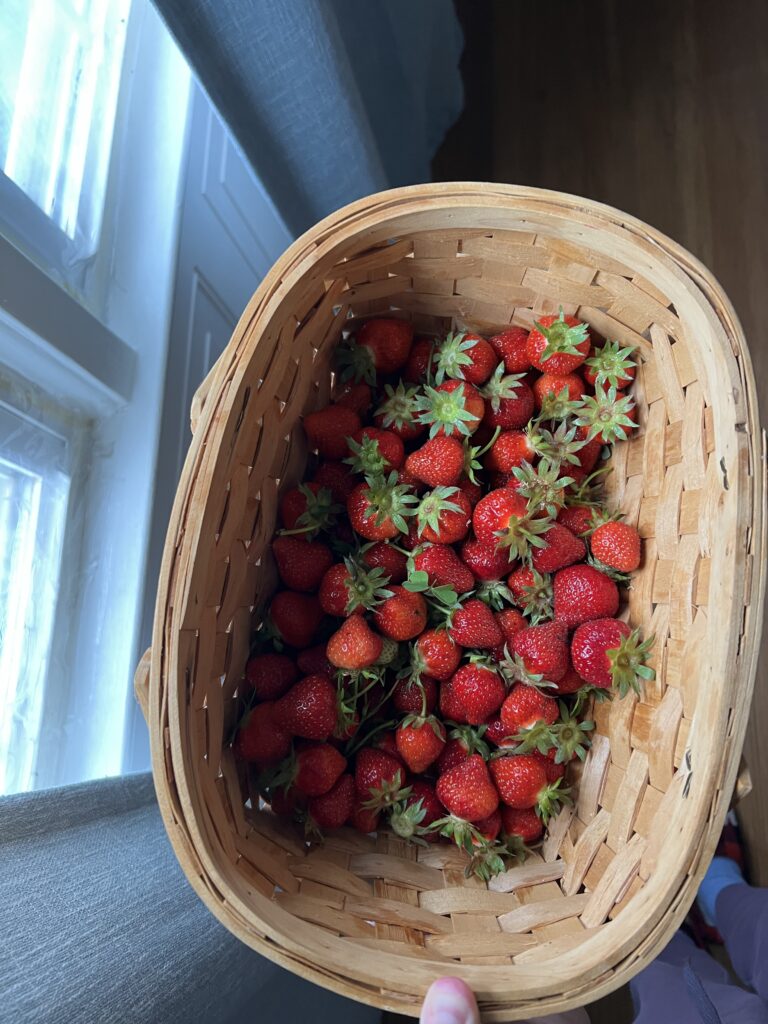
Homesteading isn’t just about growing food, but about preserving it as well. Many homesteaders’ goals are to be self-sufficient, and that includes food. Start small by drying herbs; those are super simple to preserve. Then move onto other food like tomatoes by starting in small batches. If you can’t grow large plants like tomatoes, search for local farms that sell them in bulk. Farms usually sell them by 25 pound case.
Other ways you can start are with the following:
- Freezing tomatoes, herbs, berries, and peppers
- Making small-batch pickles
- Canning a few jars of jam or sauce
I personally started by drying herbs. You’ll never have more fresh tasting herbs than ones that you’ve grown and dried yourself. I also learned how to make kombucha, water bath canning tomato sauce, and making other things like pickles.
Learning to preserve even small harvests builds valuable homesteading skills that will carry you for years to come.

Bring in a Few Chickens or Quail (If Allowed)
Not every small yard can accommodate animals, but if your zoning allows it, a few chickens or quail can be the next hot item on your to-do list.
A common addition to homesteads or any backyard garden is chickens. Get 3 to 5 hens that supply eggs consistently. Not only do they supply eggs, but they also help with pests like caterpillars, ticks, grubs, grasshoppers, and more. Contrary to popular belief, chicken are omnivores and eat plants, forage for insects, and even eat meat. Their manure can be used for compost. Certain breeds may not be just used for eggs, but they can also be used for their meat, serving as a dual purpose.
If you’re really pressed for space, then maybe consider quail if you’re set on having animals. They too produce eggs and they’re much more quiet than chickens. They’re the perfect addition for tiny yards and fairly easy to raise. Quails can be used for both their eggs and meat, just like chickens. However, they reach a mature age quicker than chickens do. Quail mature and start laying eggs in as little as 6 to 8 weeks! That’s super fast! In comparison, chickens reach maturity in about 6 months or longer. Quail have a much shorter lifespan (only 2 years), while chickens can live up to 7 or more years.
It’s always good to do a side-by-side comparison when you’re deciding which animals to bring on your homestead to see what’s the best fit.
Before getting any animals though, always check your local ordinances to see if there are any restrictions.
Create a Slower and More Intentional Life
Creating a homestead is more than just producing food. It’s a lifestyle. It’s about being more intentional and slowing down instead of keeping up with the Joneses.
What are some ways to implement a slower pace? Perhaps it looks like arranging a small seating area, either inside or outside, just to enjoy a morning coffee. It might look like putting up string lights to create a specific ambience, coupled with a fire pit. Or maybe it’s just being more intentional and putting out a blanket to enjoy a picnic in your beautiful garden!
This all ties in very well with the next section.
Learn Traditional Skills (Even Without Extra Land)
You don’t need a lot of land to learn more traditional skills. There are so many skills that aren’t mainstream in today’s society, like knitting and crocheting. However, both of those skills seem to be making a comeback, just like the below.
Currently, there are lots of people looking to learn things like:
- Sourdough baking
- Homemade cleaning products
- Herbal tea blends
- Natural home remedies
- Cooking from scratch
- Sewing and mending
- Food preservation
- Making salves or candles
- Woodworking
Check out my full list here for tons of skills you can learn right where you are!
Final Thoughts: Your Mini Homestead Starts Exactly Where You Are
Homesteading isn’t about perfection, huge gardens, or a house in the countryside. It’s about building a life that feels meaningful, intentional, and connected to the food you grow and the land you care for — even if that land happens to be a small backyard in the suburbs. You can create your own version of a homestead farm right now with what you have. Start with a garden bed. Add a few herbs. Compost your scraps. Learn one new skill at a time. Before you know it, your small yard will begin to feel like a thriving mini homestead — one that grows right alongside you.
Other Posts You May Like
Homestead Crafts: 46 Amazing Crafts to Try Right Now