What to Plant in November (Zone 6 Guide)
November might feel like the garden should be winding down, but if you live in Zone 6, there’s still plenty you can do to keep your soil productive and your hands in the dirt. While the first frosts have likely touched your garden, there are still cold weather crops and frost-tolerant vegetables that thrive in the chill. I’ve provided a list of some of the crops that will do well (it’s not a complete list).
For me, November is a time to slow down — but not stop. It’s the month of quiet preparation, layering mulch, tucking garlic into the soil, and planting cover crops that will feed the earth for spring. It’s the time to amend the soil so that it’s ready for the next growing season.The garden might look bare, but beneath the surface, so much is still happening.
This post is all about what to plant in November if you live in Zone 6 — from hardy greens to root crops that don’t mind a touch of frost. Don’t worry – if you’re not living in Zone 6, I’ll eventually be coming out with blog posts for you too.
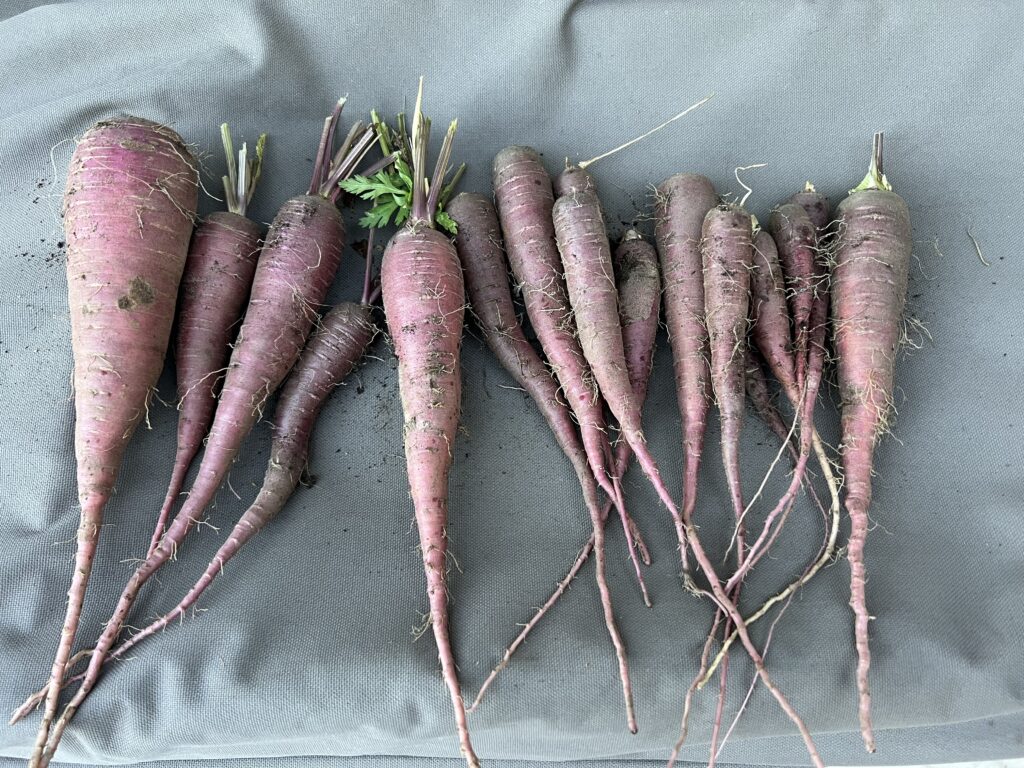
Table of Contents
Why November Gardening Matters & Garden Update
Back in September, I posted about what can be planted in October. One of the crops I’m planting is garlic. Since that post, I’ve been patiently waiting for my order to come in and plant everything. The order just came in two days ago, so it’s time to get planting! In the month of September, I planted bok choy, turnips, broccoli, beets, lettuce, carrots, and peas. It’s been so hot though that my bok choy is starting to bolt and the garden’s struggling again. These are all cool weather crops so they really don’t like hot weather.
As far as planting goes in November, many plants go dormant during cold months, but fall garden planting has its benefits. Cooler weather means fewer pests, less watering, and richer soil biology thanks to moisture and decomposing leaves. Late fall planting also helps set you up for early spring harvests. Plus all the leaves start to fall off the trees, so this is your opportunity to grab free mulch.
If you’re wondering whether it’s too late to grow anything, the answer is no — you just need to focus on winter hardy vegetables and cold weather crops that can handle fluctuating temperatures.
Let’s dive in to what to plant!
What to Plant in November (Zone 6)
As I said, growing during the colder months can be pretty rewarding. There’s less pest pressure so there’s less of an impact on your crops. There’s usually not as much disease for plants as what you’ll find during the main growing season. Another win! Here’s a look at some of the frost-tolerant vegetables and cold weather crops you can still grow — or sow for early spring success.
Garlic
Garlic is the star of November planting. Tuck individual cloves into the ground before it freezes, about 2 inches deep and 6 inches apart. Mulch heavily with straw or leaves. Come spring, you’ll see green shoots emerge — and by mid-summer, you’ll have homegrown bulbs ready to harvest.
Pro Tip: Choose hardneck varieties for Zone 6; they handle the cold best and produce delicious garlic scapes in early summer.
Onions & Shallots
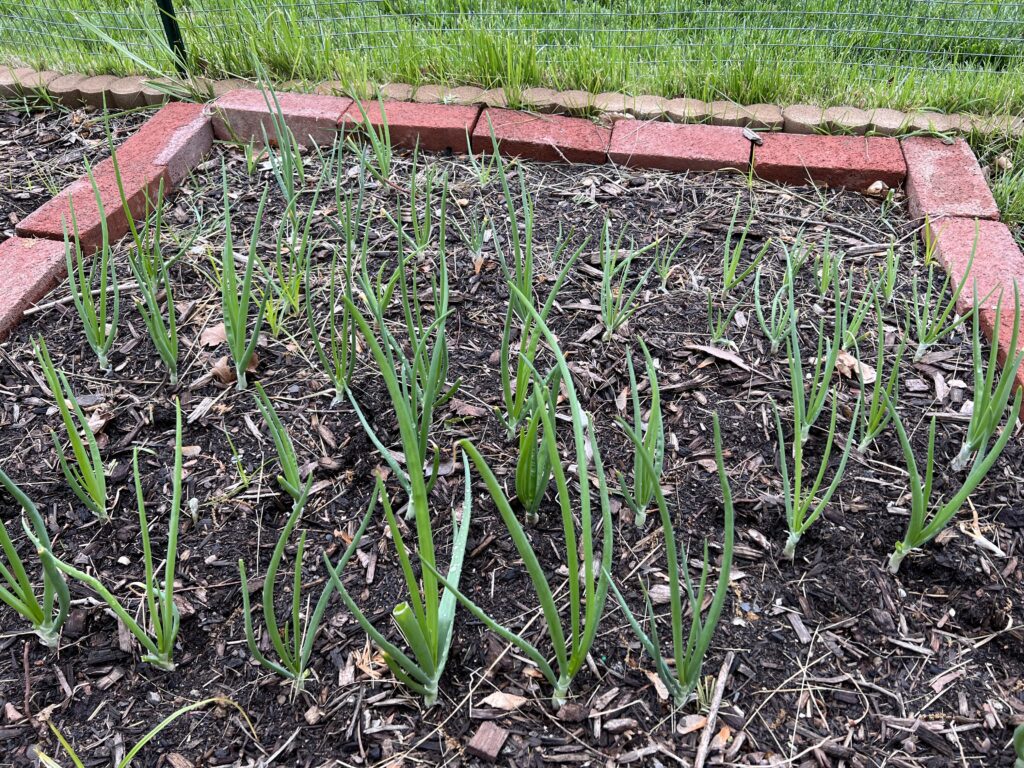
Plant onion sets or shallot bulbs in late fall for an early jumpstart next year. The roots will establish before the deep freeze, and growth will resume when soil temperatures warm up.
If you’re growing from seed, start them indoors under grow lights in late November.
Spinach
Spinach is one of the best cold weather crops. It’s frost-hardy and can survive freezing temperatures under a light layer of mulch or a cold frame. Sow directly into the soil, cover with straw, and it’ll overwinter — ready to burst into growth once the days lengthen.
Carrots
Believe it or not, carrots sweeten after frost! If your ground hasn’t frozen solid, sow a few rows of carrots. Cover them with straw or leaves to insulate. The cold triggers the conversion of starches to sugars, resulting in sweeter, more tender roots.
Kale & Collards
These are the champions of frost-tolerant vegetables. Kale and collards become even more flavorful after a light frost, developing a mild sweetness. Transplant small seedlings now, or protect mature plants under row covers to extend their life well into winter.
Cover Crops
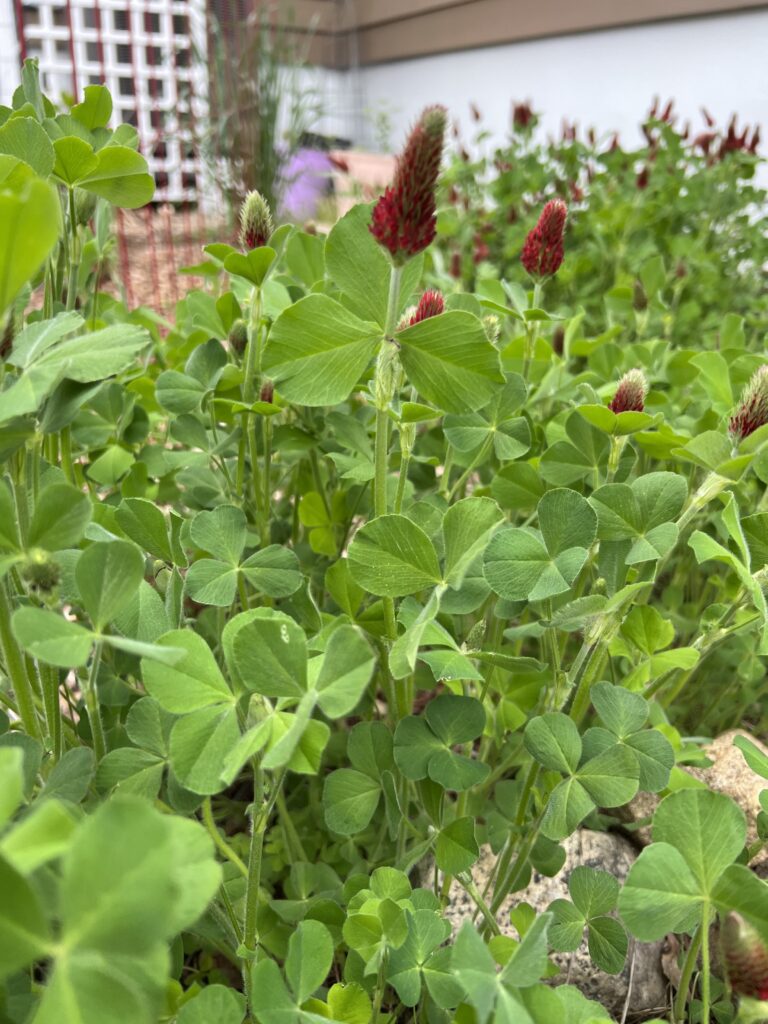
If your garden beds will be resting, don’t leave them bare. Bare soil loses nutrients and structure over the winter. Instead, plant cover crops like rye, crimson clover, or winter wheat. These protect against erosion and replenish nitrogen for spring planting.
Herbs That Survive the Cold
While tender herbs like basil won’t make it, some herbs thrive in cooler weather:
- Thyme and sage withstand frost and snow.
- Parsley often survives mild winters if mulched well.
- Chives will die back but reemerge in spring.
Pot up herbs you’d like to bring indoors — a sunny windowsill keeps them growing through the cold season.
How to Protect Your Late Fall Garden
Even frost-tolerant vegetables appreciate some protection when temperatures dip below freezing. Here are a few simple ways to extend your growing season:
- Use row covers or frost blankets to trap warmth.
- Add mulch around the base of plants to regulate soil temperature.
- Grow in cold frames or unheated greenhouses to keep greens alive longer.
- Water before a freeze — moist soil holds heat better than dry soil.
What to Plant in Fall for Spring
If your ground hasn’t frozen, November is also a great time to plant spring-blooming bulbs and perennial vegetables:
- Asparagus crowns (in raised beds or well-drained soil)
- Rhubarb roots
- Flower bulbs like daffodils, tulips, and crocuses
You’ll thank yourself in spring when the first green shoots appear!
Final Thoughts
Gardening in November in Zone 6 is less about immediate harvests and more about investing in the future. Whether you’re planting garlic for next summer or sowing cold weather crops for early spring, these small efforts pay off in big ways.
Even as frost creeps in, there’s still life in the soil — and with a little planning, your garden can keep producing long after most have gone to sleep.
Other Posts You May Like
What to Plant in October: Fall Gardening for a Strong Spring