
What to Plant in October: Fall Gardening for a Strong Spring
I recently shared about what tasks and what to plant in September. I’ve already got so many goodies planted out in our garden for hopefully a jam packed fall garden. This summer was so difficult because of the intense heat. However, we were still able to harvest a lot. During the writing of this blog post, I’ve been making small batches of tomato sauce. It’s been a lot of fun finishing up these jars and being able to put them on our shelves. With most of the super hot days behind us and cooler days, maybe the garden can redeem itself. So far I have planted: sugar snap peas, spinach, broccoli, bok choy, turnips, beets, lettuce, and carrots. I plan to also plant some herbs and cabbage.
October might feel like the season to put the garden to bed, but in truth, it’s one of the most important planting windows of the year. The soil still holds warmth from summer, the air is crisp, and plants have time to establish strong roots before winter. In October, I’m going to be planting garlic for example. Garlic won’t be ready to harvest until next June or July. Yes, it takes that long to grow garlic. So, if you’ve ever wondered what to plant in October, the answer is plenty — and the choices you make now will reward you with harvests in fall, early spring, and even beyond.
This post is all about what to plant in the fall, whether you’re filling gaps in the garden, extending your growing season, or planning ahead for spring blooms and harvests.
[RELATED POST: Garden Tasks to Tackle in September]
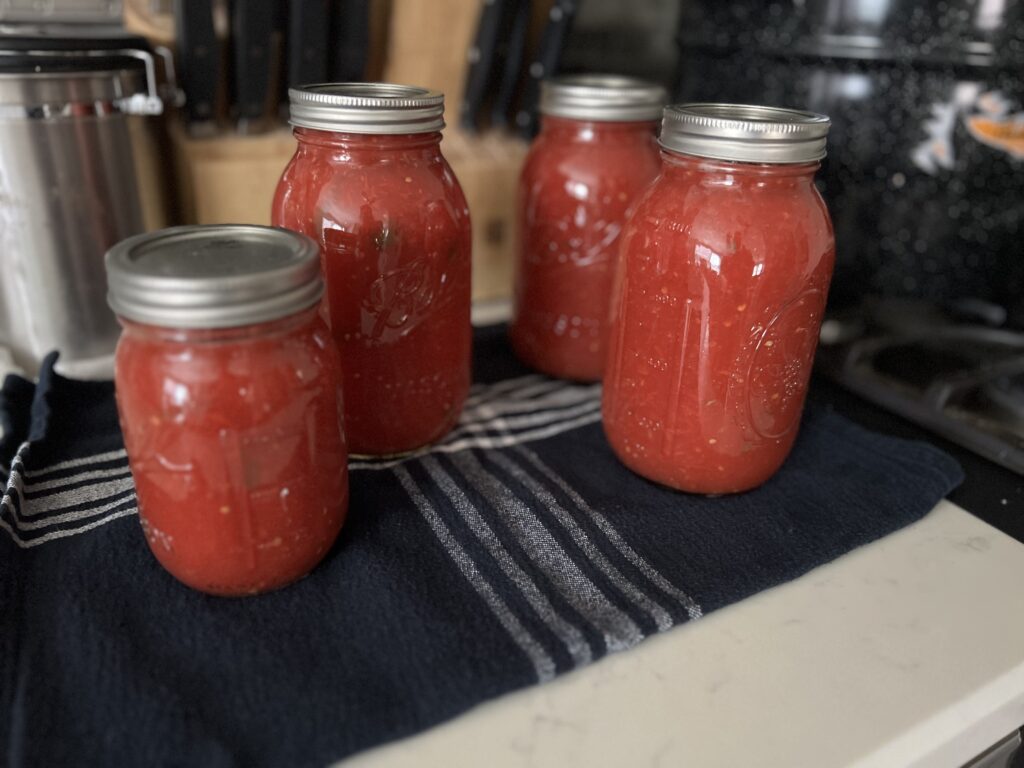
Table of Contents
Why Plant in the Fall?
Fall planting often gets overlooked, but there are some real advantages to it. Obviously a huge advantage is the cooler temperatures. The hot temperatures really take a toll on the garden and sometimes there’s less water. This summer we had a lot less rain. So it’s important to have some sort of cover (mulch or straw) on the soil to retain as much of the moisture as possible.
- Cooler temps, less stress – Young seedlings won’t have to battle the intense summer sun.
- Moisture matters – Autumn rains help reduce the need for constant watering.
- Stronger roots – Plants focus on building strong root systems instead of pushing out leafy top growth.
- Early harvests – Many crops planted now will give you a head start when spring arrives.
- Less pest pressure – In the cooler months, there’s definitely less pest pressure. During the spring and summer time, pests are thriving, but during the fall they start to wind down as well.
What to Plant in the Fall Garden
If you’re wondering what to plant in the fall garden, think of cool-weather crops that thrive in chilly nights and shorter days. Since I have a fall garden, I plan on covering my beds with a plastic tarp. This will help keep a bit more warmth at night. I intend to open it up during the day (I’ve done the same thing in the spring time). The heat from the tarp allows moisture to form and helps with “watering”.
Some of the best October plantings include are:
- Garlic – Plant individual cloves now, and by summer you’ll be harvesting full heads.
- Onions & Shallots – Set out onion sets or shallots to overwinter and enjoy in spring or early summer.
- Spinach & Kale – Cold-hardy greens that can often survive mild winters and bounce back early in spring.
- Lettuce & Arugula – Quick to germinate in cool weather and often grown under row covers or cold frames for longer harvests.
- Radishes & Turnips – Fast growers that can be harvested before a hard frost.
- Beets – By planting beets in the fall, there’s better flavor because of the cooler nights and shorter days.
- Broccoli – If you are just planning to plant broccoli in the month of October, then you’d have to grab some seedlings from a local nursery. Otherwise, you’d need to start growing your own from seed well in advance. Per the site Fine Gardening, some of the best varieties for fall are:
- “Green Goliath
- Calabrese Green Sprouting
- Romanesco Italia
- De Cicco
- Purple Peacock”
- Carrots – Carrots need a certain soil temperature, just like all seeds, in order to germinate. They need to be planted at least 10 to 12 before the first frost. I’ve already planted my carrots and I’m hoping with the clear tarp over them they may be ok, even when the frost has already come.
What to Plant in Fall for Spring
Fall is also the perfect time to think ahead and tuck in crops or plants that will reward you later. If you’re asking what to plant in fall for spring, here are some great choices:
- Spring Bulbs – Tulips, daffodils, crocuses, and hyacinths need that cold period to bloom beautifully come spring.
- Perennials – Many perennial herbs, flowers, and fruit bushes benefit from fall planting since it helps them establish before the next growing season.
- Cover Crops – Rye, clover, or vetch can enrich your soil, prevent erosion, and add nutrients when tilled under in spring. I’ve found after experimenting that planting cover crops in the fall works better than in the spring. During the fall they’ll die back and act as a mulch. However, during the spring they’ve tended to be unruly.
- Strawberries – Fall planting allows roots to settle in, giving you stronger plants and better fruiting next year.
Tips for Successful October Planting
- Know Your Zone – In colder climates, planting windows close fast. In warmer zones, you may have more flexibility.
- Protect Tender Crops – Use row covers, cold frames, or mulch to extend harvests.
- Prep Your Soil – Add compost or aged manure to boost fertility before planting.
- Don’t Forget Mulch – A thick layer of straw, shredded leaves, or bark protects overwintering plants. My favorite mulch is using shredded leaves. Shredding the leaves really helps them break down a lot quicker than if you leave them whole. Plus, if you have trees on your property or neighboring trees, leaves are FREE when they fall.
What is Being Harvested and In Season in October
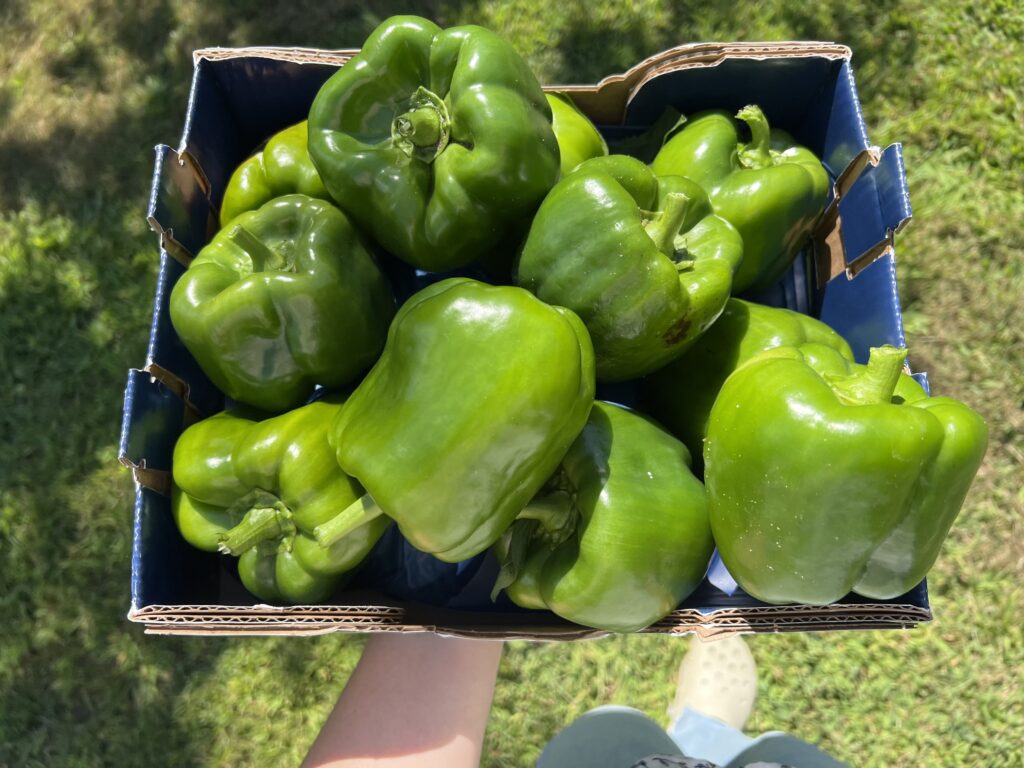
There’s still a lot of harvesting going on during this month. However, even if you don’t have anymore crops or you didn’t plant anything this year and want to start next year, you can still benefit from in season produce. Support local farmers or go to your local grocery store to buy produce that’s in season. It’ll be significantly cheaper and taste better than if you buy out of season for your area.
In Season Crops
- Apples
- Arugula
- Beets
- Broccoli
- Brussels sprouts
- Cabbage
- Carrots
- Cauliflower
- Celery
- Cranberries
- Cucumbers
- Eggplants
- Fennel
- Grapes
- Herbs
- Kale
- Kohlrabi
- Leeks
- Lettuce
- Melons
- Onions
- Parsnips
- Peas
- Peppers
- Potatoes
- Pumpkins
- Rutabagas
- Shelling beans
- Swiss chard
- Winter squash
We’re still preserving this month because we’re digging up crops like potatoes, sweet potatoes, and winter squash that can all be stored.

Final Thoughts
October is far from the end of gardening season — in many ways, it’s just the beginning. By focusing on what to plant in October, you’re investing in both late-season harvests and a head start for spring. From garlic and onions to tulips and strawberries, your garden can keep giving long after summer is gone.
So grab a sweater, head out with a basket of seeds and bulbs, and enjoy this last burst of planting before winter arrives. Your spring self will thank you.
Resources
McLaughlin, C. (n.d.) A Second Round of Broccoli for Fall. Fine Gardening. https://www.finegardening.com/project-guides/fruits-and-vegetables/a-second-round-of-broccoli-for-fall
Other Posts You May Like
Garden Tasks to Tackle in September


