
Garden Tasks to Tackle in September
Every September, I find myself in the same familiar scene: standing in the kitchen with baskets of tomatoes on the counter, beans spilling out of bowls, and a pile of zucchini and cucumbers that seems to multiply every time I turn my back. The windows are open to let in the first cool breeze of the season, and the smell of something simmering — maybe tomato sauce or something I’m baking— fills the air.
It’s that sweet spot between summer and fall when the garden is still generous, but the days are just short enough to remind you that winter is on the horizon. This is when I shift from simply harvesting to thinking about food preservation — making sure the flavors of the season will still be on our table months from now. Slowly, slowly I’m learning all that I can about different types of food preservation from easy refrigerator pickles, drying herbs, dehydrating vegetables and fruit, and more! This year I plan to do some canning and water bathing.
But what are some other things to be doing around this time of year?
If your garden is anything like mine, you might be wondering where to start. Here’s a September checklist that blends harvesting, preserving, and preparing your garden for the cooler days ahead.
This post is all about food preservation.
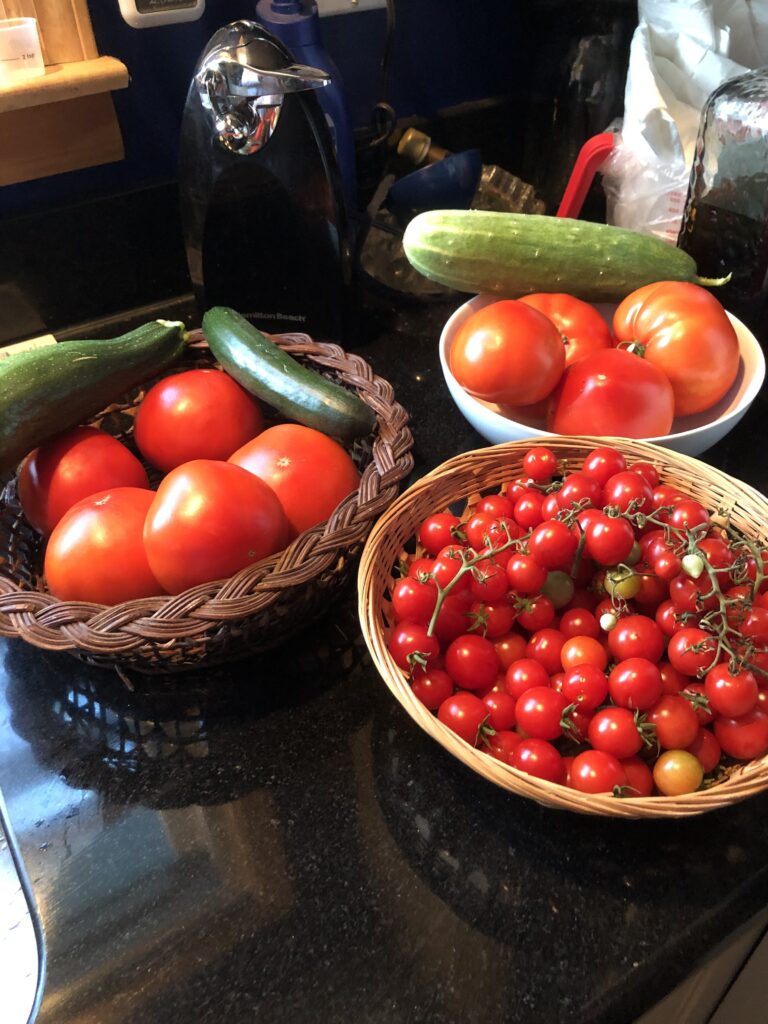
Table of Contents
Harvest and Sort Your Vegetables
There’s a quiet satisfaction in walking through the garden on a September morning, basket in hand, with dew still clinging to the leaves. The peppers are glossy, the tomatoes warm from the sun, and beans dangle like little green ribbons ready to be picked.
Pick produce at its peak — the flavor is better, and it’s the perfect starting point for food preservation vegetables. Sometimes I’ll pick it before it’s fully ripe if I’m trying to keep my tomatoes being eaten, or if a heavy rain is coming. I’ve noticed that with heavy rains my tomatoes tend to split. This month, you can blanch and freeze vegetables like green beans, fill jars with homemade salsa through canning, and experimenting with vacuum sealing smaller batches to tuck into the freezer. A sprinkle of salt can also transform fresh herbs or cabbage into long-lasting, flavorful preserves.
If you’re looking to grab a vacuum sealer, try out this one, along with extra vacuum sealer bags.
Try New Preservation Methods
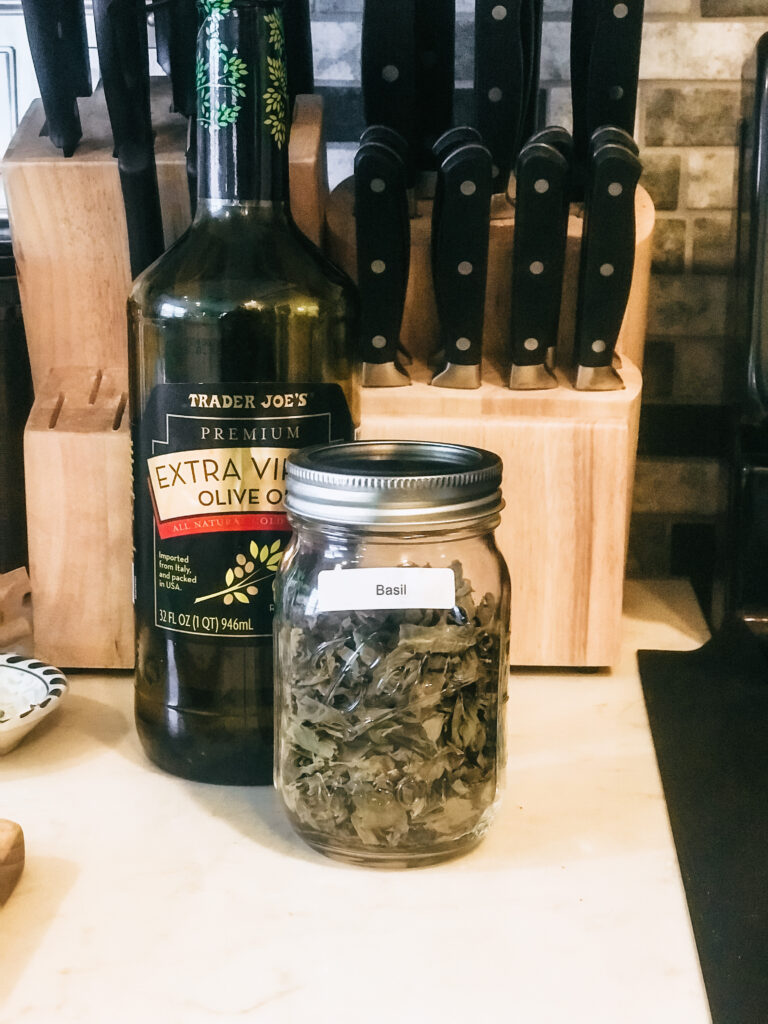
I still remember drying my first batch of herbs. We’ve grown herbs for so many years and the silly thing is, I never thought to preserve them to enjoy after the growing season.
Looking for a little encouragement and push?
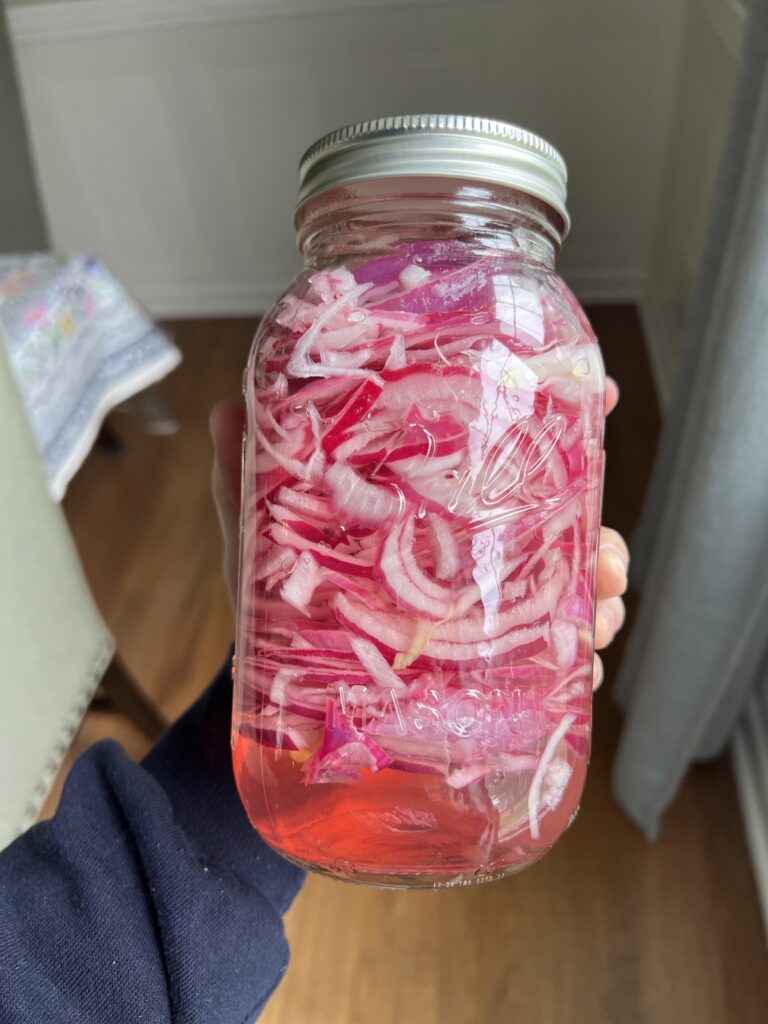
Now is the time to learn new skills. If you’ve always stuck to one preservation method, September is the perfect time to branch out. I’ve mastered freezing, preserving with salt, doing lots of pickling, and vacuum sealing. These are all super easy to learn, and now it’s time to start learning canning and water bathing.
Honestly, I’m a little nervous and that’s just about using the canner itself. However, if I don’t try and learn at some point, I’ll never learn.
So what are some ways to choose from in terms of preservation? It’s all going to depend on what kind of food you’re looking to preserve. Here’s the lowdown on what those ways are:
- Freezing – Quick, easy, and preserves color and flavor.
- Canning – Perfect for sauces, pickles, and jams.
- Vacuum sealing – Great for space-saving freezer storage.
- Preserving with salt – Ideal for fermentation projects, making herb salts, and more!
If you’re looking to stock up long term, start building a food storage list for 1 year (a printable PDF comes in handy for planning shelf space and supply needs).
Store Produce for the Long Haul
Some of my favorite September tasks involve setting aside the vegetables that will keep for months without much fuss. The satisfaction of seeing a row of pumpkins lined up on the porch or a bin of onions curing in the shed is unmatched. Recently I shared about how to preserve onions, carrots and potatoes, along with best vegetables for winter storage. You can check that out right here!
Consider doing the following:
- Store winter squash and pumpkins in a cool, dry place.
- Keep potatoes in a dark, ventilated bin.
- Hang onions and garlic in mesh bags once cured.
Good storage is a form of food preservation all its own — no freezer space, canning jars, or any other equipment is necessarily required.
Prepare Beds for Fall Crops
After the rush of summer harvests, there’s something grounding about pulling out tired plants, turning the soil, and tucking in seeds for the next season. September is the time to plant cool-weather crops like spinach, kale, and beets, ensuring a steady harvest into late fall.
I like to think of it as setting the stage — clearing away the old while making space for the fresh growth to come.
Save Seeds for Next Year
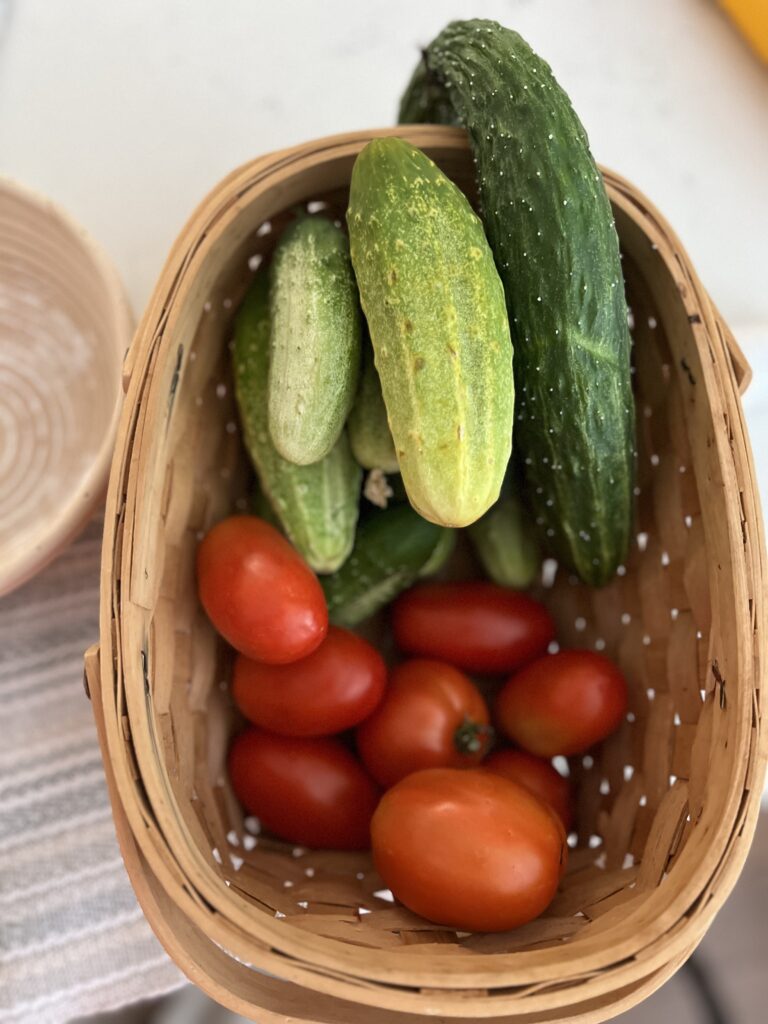
There’s a certain pride in growing plants from seeds you saved yourself. On sunny September afternoons, I collect seeds from my healthiest tomatoes, peppers, and beans, spreading them out to dry on paper towels in the kitchen. Or maybe you have some cucumbers (for example) that are a little past due on the vine. Don’t let those go to waste! You can still pick them and preserve the seeds.
It’s a quiet reminder that food preservation isn’t just about what we eat now — it’s also about ensuring we can grow again next year, season after season.
Wrapping Up
September is a month of abundance and preparation. By combining harvest tasks with food preservation ways — from freezing vegetables to canning, vacuum sealing, or even preserving with salt — you can savor your garden’s hard work all year long.
So grab your baskets, your jars, and your freezer bags — and let’s make this September harvest one to remember.
This post was all about food preservation.
Other Posts You May Like
What to Plant in the Fall Garden (Zone 6 & 7)


