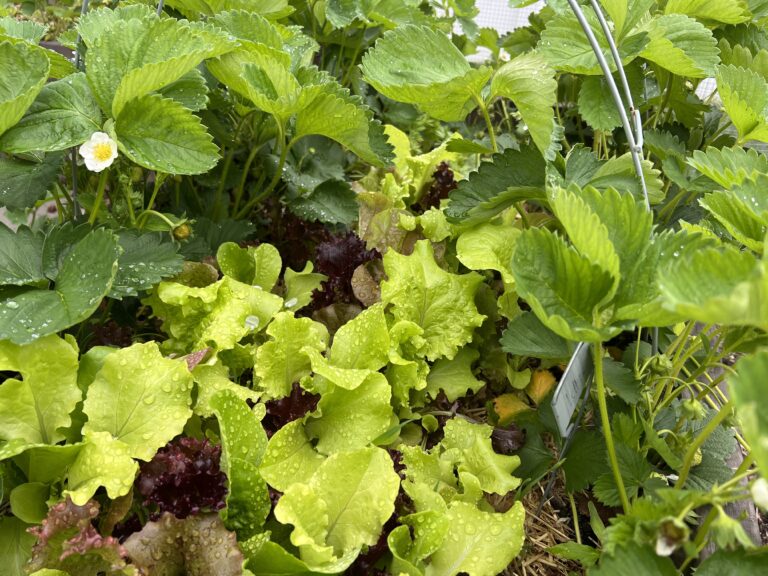
What to Plant in the Fall Garden (Zone 6 & 7)
September can still be super hot, or there may be a couple of cooler days. It can be hot even into October. We might be having cooler mornings and evenings… hopefully. After the heat of the summer, especially after August, we’re all looking for a reprieve. Although the summer garden may be starting to wind down, depending if you’ve done consecutive plantings, there’s still more we can plant. I for one plan on planting in September. Rolling into the fall is all about cooler weather crops, and the fall can be even more magical since there’s less insect and weed pressure. You may be wondering what to plant in the fall garden.
Knowing what to plant in the fall garden can extend your harvest and set your garden up for success come spring. Here’s a practical, easy-to-follow post on what to plant this September if you’re gardening in Zone 6.
This post is all about what to plant in the fall garden.
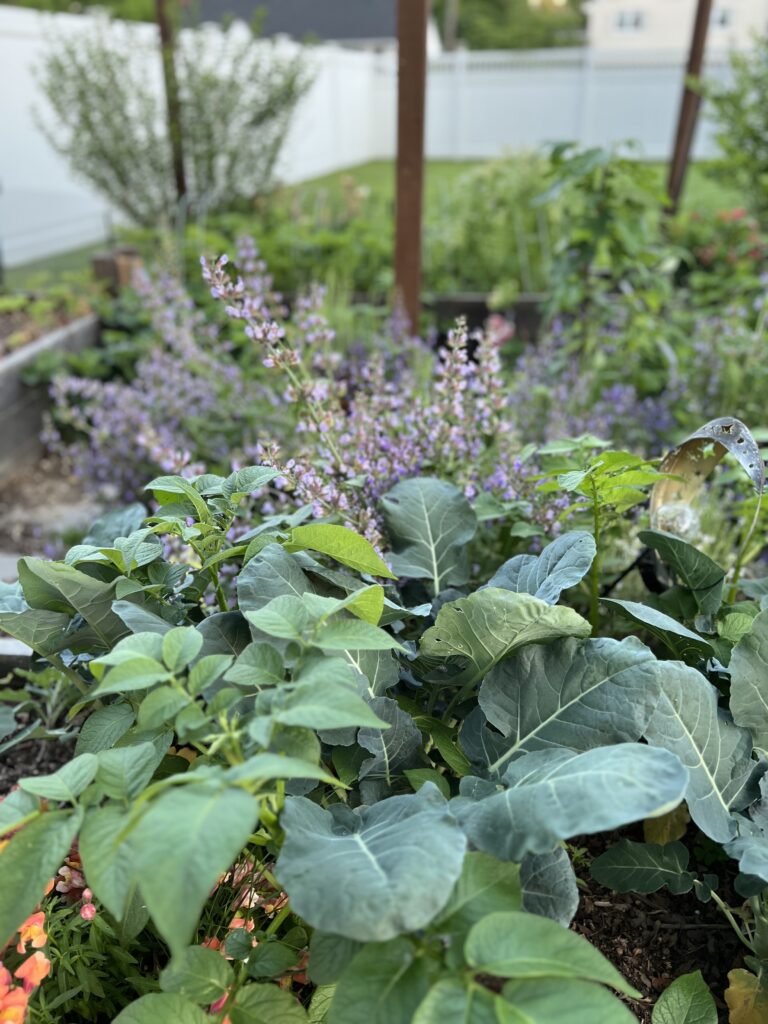
Table of Contents
What Does Zone 6 Mean for Fall Gardening?
I’ve talked quite a few times here on the blog about planting zones. So if you’re not acquainted with your planting zone, I highly recommend reading up on it. It’s going to be super important for planting. Gardening Zone 6 typically experiences its first frost between mid to late October. That gives you a nice planting window in September to grow crops that thrive in cooler temperatures. It’s important to know your specific frost dates (easily found online) to best time your planting.
[RELATED POST: A Quick Guide to Plant Hardiness Zones Definition]
In any case, the planting zone tells us how long the growing season lasts in a given area. It’s the difference between a thriving garden and possibly decimating your crops because you didn’t know your frost dates. It also helps to know the timing for each plant and when they need to be planted. Each plant is different and grows and different times throughout the year. For example, unless you have a heated greenhouse, you can’t grow tomatoes in winter in zone 6. You won’t be able to grow eggplants or any other warm/hot weather crops either. You can however grow frost tolerant and cool weather crops by using row covers.
🍂 Feeling unsure about when to plant everything? Grab our free Fall Garden Planner to take the guesswork out of your September garden. It’s designed specifically for Zone 6 and includes planting dates, to-do lists, and helpful tips to keep your fall garden thriving.

Vegetables to Plant in Your Fall Garden
There are tons of fruits and vegetables we can harvest in the month of September.
SO.MANY!
Here’s a snapshot of all of the goodies we’ll be grabbing:
Vegetables, Fruits, and Herbs to Harvest in September
| Apples | Chicory | Kale | Pumpkins |
| Arugula | Cranberries | Kohlrabi | Radishes |
| Beets | Cucumbers | Leeks | Raspberries |
| Broccoli | Eggplant | Lettuce | Rutabaga |
| Broccoli raab | Endive | Melons | Shelling beans |
| Brussels sprouts | Fennel | Onions | Swiss chard |
| Cabbage | Grapes | Parsley | Tomatoes |
| Carrots | Green beans | Peas | Turnips |
| Cauliflower | Green onions | Peppers | Winter squash |
| Celery | Herbs | Potatoes |
That’s a lot of harvesting and hopefully you’re able to preserve some of what you’ve grown. If you’re looking for some help for what to do next year from month-to-month, check out this blog post!
But what kinds of vegetables can be planted and grown at this point during the year?
[RELATED POST: What to Do Month-to-Month in Gardening Zone 6]
Leafy Greens
These types of vegetables thrive in cooler weather, but they need to be started now (July – at the time this has published). So get them started indoors since it’ll be too hot outdoors to get them going. Transplant them outdoors in August.
- Asian greens: these a group of types of greens that have originated in Asia. Included in this group of greens are – bok choy, mizuna, Chinese broccoli, choy sum, amaranth greens, mustard greens, pea shoots, different types of spinach, snow peas, and daikon greens.
- Lettuce: Choose fast-maturing varieties like leaf lettuce, which you can harvest continually.
- Spinach: Ideal for cooler weather, spinach actually gets sweeter with frost.
- Swiss Chard and Kale: Both withstand frost well and continue producing leaves into early winter.
If you haven’t been able to start seeds in July indoors, you can direct sow these different vegetables in September. Starting them indoors will just help you get a head start on your crops.
Root Vegetables
Root vegetables don’t like their roots disturbed so I wouldn’t recommend starting them indoors and then transplanting them outdoors. Instead they should be direct sown outdoors. For the most successful crops, make sure the soil where you plant them is nice and loose. They don’t like to be constrained by the soil and it prohibits the root from growing bigger. You’ll get very thin, barely there roots.
Plant these:
- Radishes: Fast growers, ready to harvest in about 25-30 days.
- Turnips: They mature quickly and both roots and greens are edible.
- Carrots: Select short-season varieties for a fall harvest.
Brassicas
To get a head start on your crops, you can start them indoors in July. But if you’re not able to, you can either get seedlings from a local nursery and transplant them or direct sow them in September.
- Broccoli, Brussels Sprouts, and Cabbage: Plant seedlings in early September to harvest before winter arrives.
Herbs for Your Fall Garden
We can’t forget about our herbs. This is the last chance to grow some herbs in the few months of the year to harvest and preserve them. September is the perfect time for planting these herbs because they don’t handle the heat well, which may be surprising to some.
Plant these herbs because they love cooler temps:
- Cilantro: Thrives in cool temperatures and will bolt less quickly than in summer.
- Parsley: Hardy and flavorful, parsley grows beautifully through autumn. It even tolerates a light frost.
- Chives and Dill: Both grow quickly and offer fresh harvests before frost.
Fall Gardening Tips
There are some other things that need to be taken care of during this time of the year in order to keep our garden healthy and prepare for the next year.
- Prepare your soil: Add compost to nourish your plants through cooler weather.
- Plant cover crops. If there are any garden beds you aren’t using, plant cover crops. This will help add nutrients back into the soil and prevent soil erosion and compaction. We want to keep that soil nice and loose but not wash away.
- Mulch your garden beds: Mulching helps retain moisture, regulate temperature, and protects roots as temperatures drop.
- Water consistently: Cooler temperatures don’t mean your plants don’t need regular watering, especially seedlings.
- Take out the garden hoops and row covers. Have row covers or blankets ready to protect crops from unexpected early frosts. Although the first frost isn’t usually until October, there may be chilly nights when we want to protect the plants and keep them a bit warmer, even though it may not get frosty.
Why You Should Start a Fall Garden
Fall gardening means fewer pests, cooler temperatures, and less watering. You’ll enjoy fresh vegetables and herbs deep into the autumn, and you’ll also set the stage for an easier spring gardening season. It’s a rewarding and relaxed way to keep your garden productive.
Common Questions About Fall Gardening
- Can I plant perennial vegetables in the fall? Yes! Garlic and perennial herbs can be planted in fall for next year’s growth. So if you weren’t able to plant any garlic during the spring
- What if there’s an unexpected frost? Be ready with garden blankets or row covers to protect your crops.
- How late into September can I plant? Aim for mid-month, but fast-growing greens and radishes can still go in as late as the end of the month.
Ready, Set, Plant!
Knowing exactly what to plant in your fall garden takes the guesswork out of September gardening. Enjoy the refreshing pace of fall gardening—less stress, fewer pests, and plenty of delicious harvests. Happy gardening!
Don’t forget to subscribe to Cedar Homestead’s newsletter for more beginner-friendly gardening tips delivered right to your inbox!
This post was all about what to plant in the fall garden.
Other Posts You May Like
A Quick Guide to Plant Hardiness Zones Definition
What to Do Month-to-Month in Gardening Zone 6
Ready to dig in? Fall gardening doesn’t have to be overwhelming. Download our free Fall Garden Planner to map out your garden, track your tasks, and feel more confident every step of the way. A little planning now means more harvests later!