How to Start a Winter Garden: Simple Ideas for Cold-Weather Growing
When most people picture a garden, they imagine lush green rows basking in summer sunlight. Don’t get me wrong! That’s my favorite time of the year. No need for multiple layers of clothing and heavy jackets. I love being able to go on as many walks as possible during the summer, and I love our family’s evening routine of walking after dinner. There’s just something about that evening walk – seeing the sunset and enjoying the warmer weather. Plus if it’s too hot during the day, the evening is the perfect time to get out because it’s cooler.
But gardening doesn’t have to stop when the temperature drops. In fact, a winter garden can be one of the most rewarding parts of the year. There’s no pest pressure! There’s no disease to worry about. We’ll dive into the perks even more in this post.
It’s quieter, slower, and deeply satisfying. The air is crisp, the soil smells earthy, and every sprout feels like a little act of hope. Whether you’re growing food in raised beds, cold frames, or sunny windowsills, there are plenty of winter garden ideas to keep your hands in the soil all season long.
And don’t worry! If you’re not interested in growing a garden during the wintertime, I have some ideas for you as well.
This post is all about the winter garden.
As an Amazon Associate I earn on qualifying purchases. This post contains affiliate links, which means I make a small commission at no extra cost to you. I am in no way sponsored by any of the companies/products listed below and therefore have no bearing on the products I choose to review or recommend.
Table of Contents
Why Plant a Winter Garden?
A winter garden keeps your growing momentum alive even when it’s too cold for most plants. It’s important to note that the plants have to be already established in order to grow during the winter. By using cold-tolerant vegetables, hardy herbs, and simple protection methods, you can continue harvesting well into the frost — sometimes all the way through February. This is also dependent on your planting zone. If you’re not sure what yours is, check it out here.
Even if you’re not growing food, winter gardening is about tending to your space: mulching beds, amending soil, and planning for spring. There’s something peaceful about caring for the garden while it sleeps.
Perks of Growing During Winter
Winter gardening might sound challenging, but it comes with surprising benefits — especially for those who love fresh produce and year-round self-sufficiency.
Fewer Pests and Diseases
Cold weather naturally reduces insect populations and fungal diseases that often plague summer gardens. That means fewer aphids, beetles, and tomato hornworms — and less need for pest control.
Fresh Produce When Others Don’t Have It
Winter greens like kale, spinach, and arugula thrive in cool temperatures and can be harvested when most gardens are dormant. Having crisp, home-grown greens in January feels like a luxury — and saves money at the grocery store.
Better Flavor in Cold-Weather Crops
Many frost-tolerant vegetables (like carrots, parsnips, and Brussels sprouts) actually taste sweeter after a frost. The cold triggers the plant to convert starches into sugars, resulting in a richer, sweeter flavor you won’t get in warmer months.
Extended Gardening Season
By using simple protections like cold frames, row covers, or mini greenhouses, you can keep growing well past your region’s typical frost date. This extends the joy of gardening and helps maximize your space and harvest.
Improved Soil Health
Planting winter cover crops (like clover or winter rye) helps prevent soil erosion, adds nutrients, and keeps your soil structure healthy for spring planting. Even if you’re not growing food, cover crops do important underground work.
Less Watering and Maintenance
Cooler temperatures mean soil moisture evaporates more slowly, reducing the need for frequent watering. This makes winter gardening lower-maintenance than summer gardening — perfect for busy families.
Boosts Mental Health During the Dark Months
Tending plants, even indoors, is a proven mood-booster during shorter winter days. Having something green to nurture offers a sense of calm, purpose, and continuity through the season.
Year-Round Self-Sufficiency
For homesteaders or families focused on sustainability, growing in winter supports a year-round food cycle — whether it’s microgreens on a windowsill, spinach in a cold frame, or carrots in raised beds under mulch
Best Winter Garden Crops
If you’ve never tried growing food in the cold, start with these hardy vegetables and greens. I also mentioned some of these veggies and herbs in my post about what to plant in November. They thrive in chilly soil and often taste sweeter after a light frost. Actually, you may find that things like parsley taste so much better than when they’re growing it in the spring or summer after it’s had a touch of frost. It’s just so crisp and fresh!
But if you’re not looking to grow anything outside, you can opt to grow veggies and herbs indoors which I’ve outlined below:
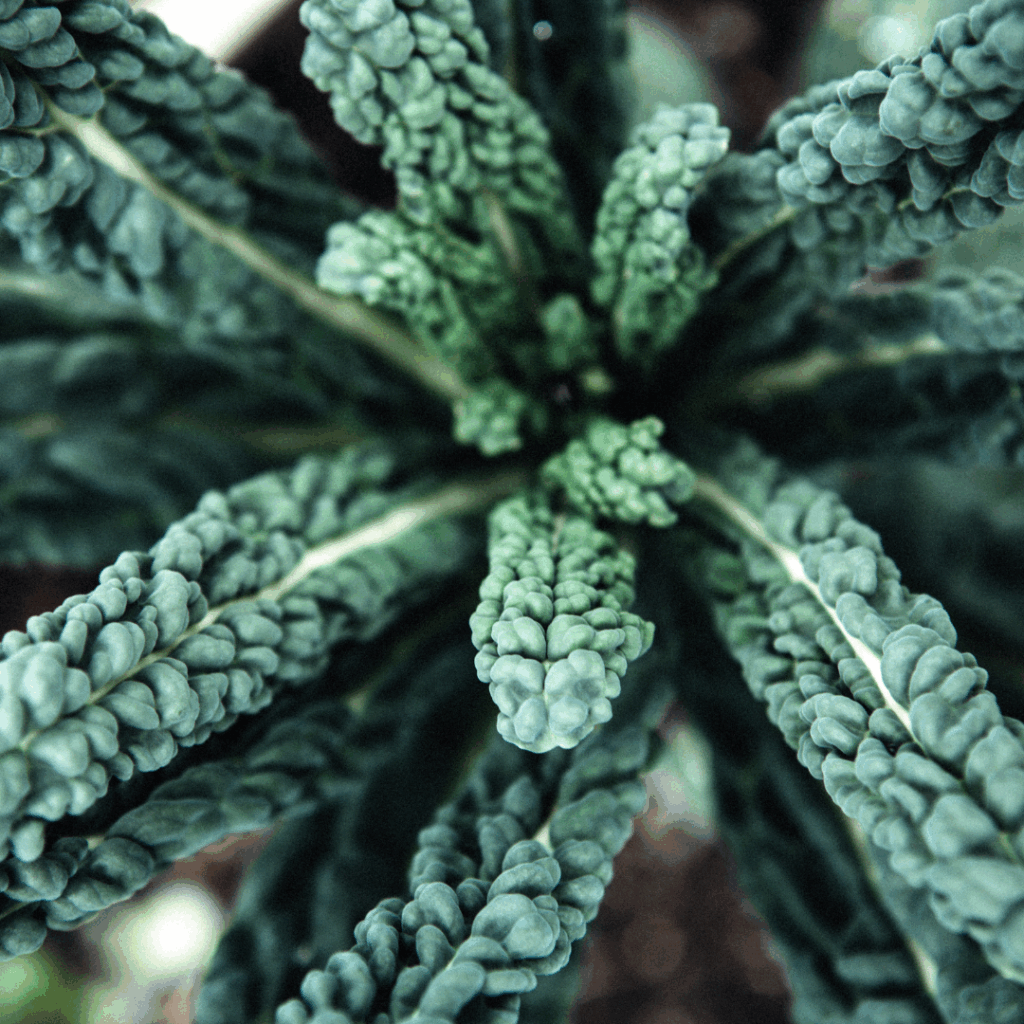
- Kale & Collards – The heroes of the winter garden. Frost actually improves their flavor, giving them a mild, nutty sweetness.
- Spinach – One of the easiest greens to overwinter. Sow it under a row cover or in a cold frame, and it’ll regrow in early spring.
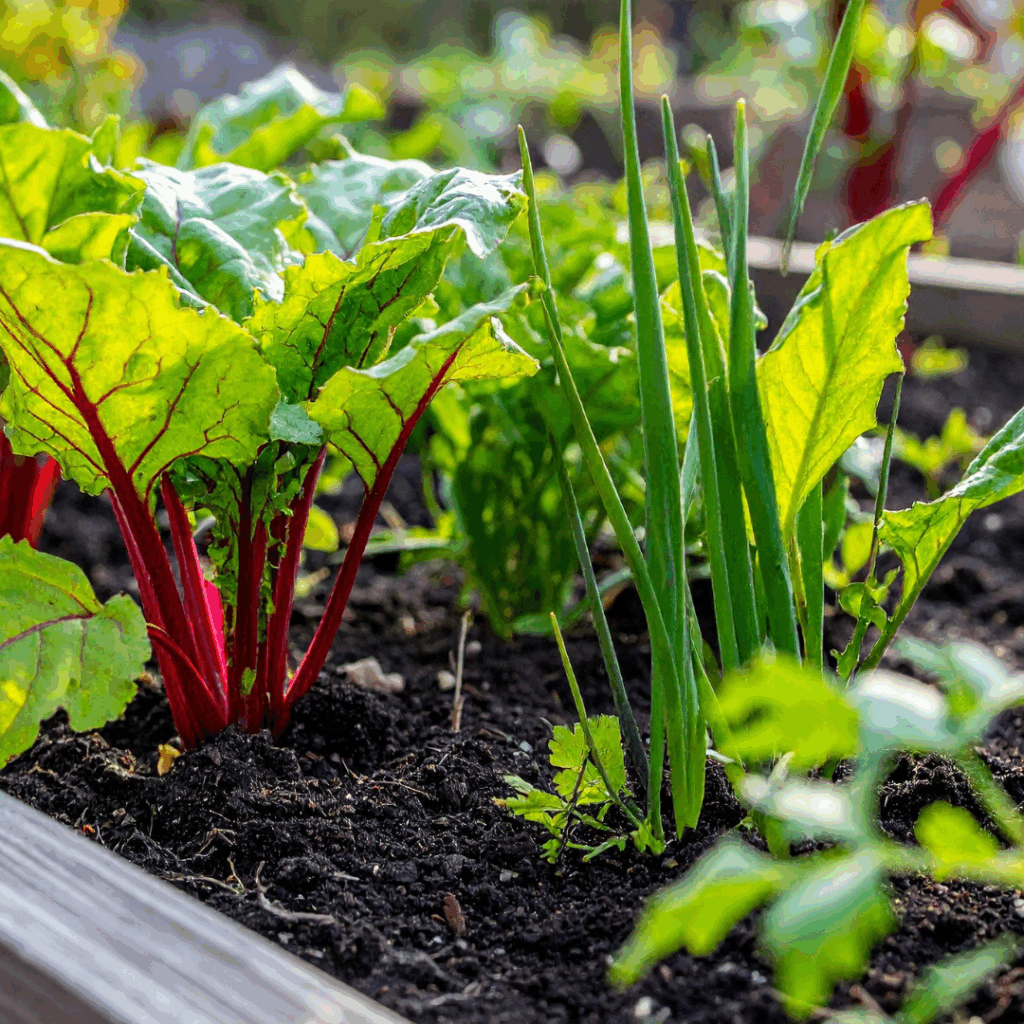
- Carrots & Beets – These root crops store beautifully in the ground if you add a thick blanket of straw or mulch.
- Garlic & Onions – Plant in late fall for an early-summer harvest.
- Parsley, Thyme & Sage – Hardy herbs that add fresh flavor even in the middle of winter.
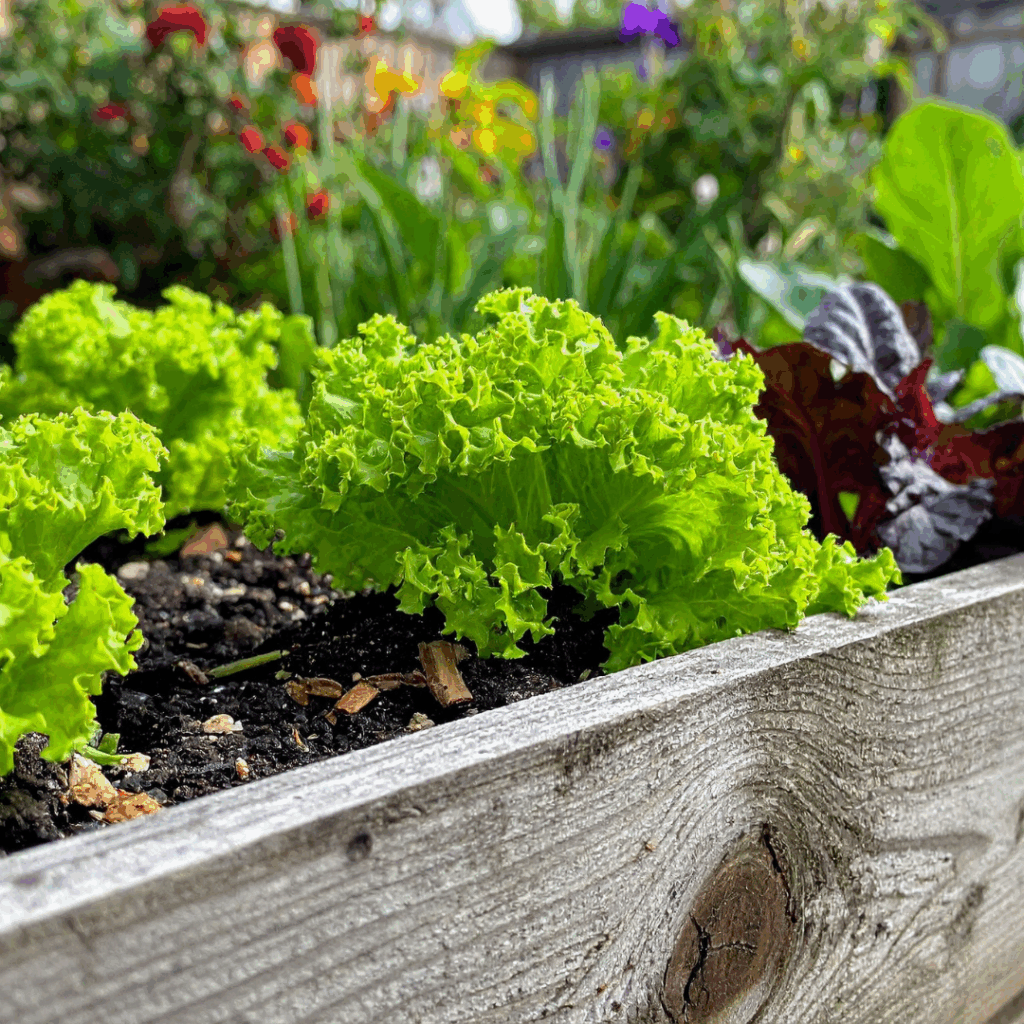
- Lettuce – this is a cool weather crop, but if it’s there’s a row cover, it should do well.
Tip: In colder climates, use hoop houses, cold frames, or even plastic totes with clear lids to create small greenhouses that trap warmth.
How to Protect Outdoor Plants
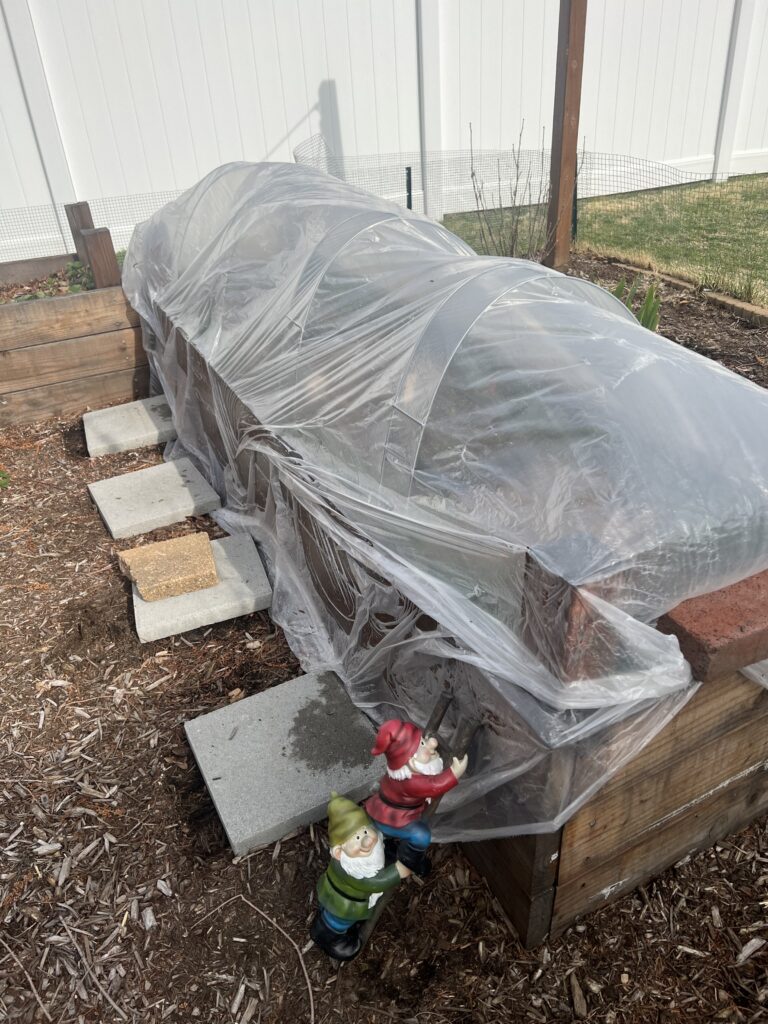
For those planting outside, protection is key. Cold frames, row covers, and mulching make a world of difference in how long your garden lasts.
Simple winter garden protection tips:
- Add mulch or straw to insulate roots. In my opinion, I’d use straw or really shredded up mulch. I’ve found that larger chips of mulch don’t allow my plants to do well. But I’ve had success with very shredded mulch (from wood chips), mulched up leaves, or straw.
- Use row covers or frost blankets on raised beds to trap warmth.
- Place cloches (upturned jars or bottles) over small plants.
- Keep watering lightly during dry spells — cold air is often drier than you think!
I use a plastic row cover to protect my plants. During the day, the cover allows some warmth to build up underneath the row cover. It creates its own atmosphere (like a greenhouse!) and even provides moisture, allowing for a lot less watering. I’ve used this method during the spring and didn’t water my plants once. It cuts down work that has to be done with maintaining the garden.
Winter Garden Ideas for Indoors
If your outdoor beds are frozen, bring the garden inside! A sunny kitchen windowsill or a small grow-light setup is all you need to enjoy fresh herbs and microgreens year-round.
Here are a few winter garden ideas to brighten your indoor space:
- Windowsill Herb Garden: Grow mint, chives, and basil in recycled jars or small pots.
- Sprouting Jars: Sprout broccoli, radish, or alfalfa seeds in mason jars for a quick nutritional boost.
- Mini Greens Trays: Use shallow trays to grow arugula, kale, or lettuce baby greens.
- Hydroponic system to put on your kitchen counter.
Winter Garden Ideas (Even If You’re Not Growing)
Not everyone wants to keep planting through winter — and that’s perfectly okay. The colder months can be a time to rest, plan, and nurture your space in quieter ways. A winter garden isn’t just about growing — it’s about staying connected to your love of gardening year-round.
Here are some meaningful ways to enjoy your garden even when it’s too cold to plant:
1. Plan Next Year’s Garden
Grab a notebook or planner (or my printable garden planner!) and start mapping out what worked and what didn’t this season. Sketch new bed layouts, rotate crops, and list the varieties you want to try next spring.
This reflection time helps you feel prepared — and keeps the gardening spirit alive through the winter.
2. Start Seeds Indoors
If you miss seeing green, start cool-weather herbs, lettuce, or microgreens on your windowsill. It’s an easy way to enjoy growth without braving the cold.
3. Compost and Build Soil Health
Even if you’re not planting, you can still improve your garden soil. Add compost, leaves, and kitchen scraps to your bins or beds. This organic matter will break down over winter, leaving you with rich, crumbly soil come spring.
4. Decorate for the Season
Transform your garden into a cozy outdoor retreat. Use evergreen branches, pinecones, and fairy lights to create winter beauty. A few lanterns or solar lights can make even a dormant garden feel inviting.
5. Feed the Birds and Wildlife
Hang bird feeders, scatter seeds, or leave out a dish of water (refilled daily). It’s a small act of care that keeps your garden full of life when most things are quiet.
6. Clean and Organize Tools
Take a day to clean, oil, and sharpen garden tools. Wash and stack pots, label seed packets, and tidy your shed or garage. Come spring, you’ll be ready to plant without the clutter.
7. Learn and Dream
Curl up with gardening books or plan next year’s seed order. Winter is the perfect season for learning — and for dreaming about your next harvest.
Cozy Up After Gardening
After tending your winter garden, there’s nothing better than coming inside for a warm drink. Try one of my Homemade Herbal Tea Blends for Fall and Winter — like citrus spice or golden turmeric — to warm up after a day in the cold. I also shared a post last month about cozy Crockpot dishes.
Final Thoughts
A winter garden may look quiet, but it’s full of life and potential. Whether you’re tending kale under a frost blanket or sprouting seeds in your kitchen, you’re nurturing the rhythm of the seasons — and reminding yourself that growth never really stops.
Even when the garden rests, you can still find beauty, nourishment, and peace in tending it.
This post was all about the winter garden.
Other Posts You May Like
A Quick Guide to Plant Hardiness Zones Definition
Homemade Herbal Tea Blends for Fall