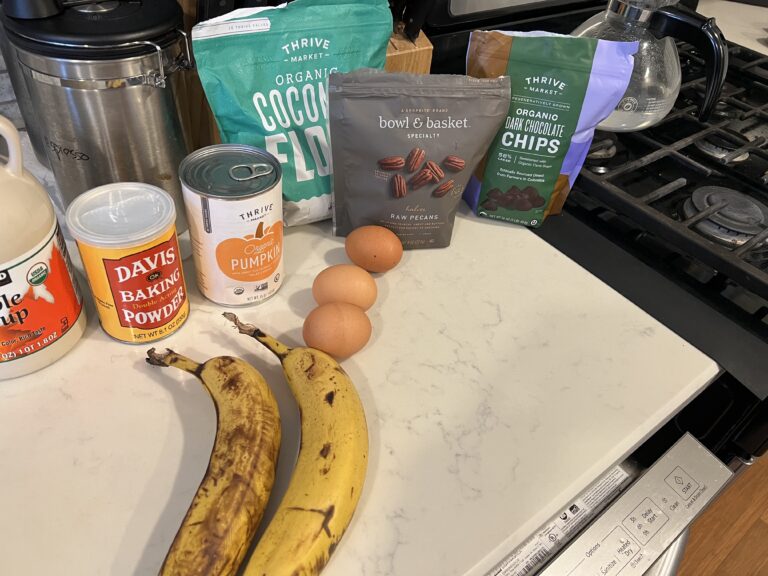
10 Benefits of Pilates: Transform Your Body and Mind
Hey there, wellness seekers! Recently I posted about the 6 principles of Pilates, where I discussed centering, control, concentration, breath, and flow. In this post we’ll be exploring the 10 benefits to incorporating Pilates into your workout routine. If you’re looking for a great form of exercise to boost your overall health, Pilates might be your new best friend. Developed by Joseph Pilates in the early 20th century, the Pilates method has become a go-to for people of all ages, from pregnant women to older adults. I’ve used Pilates as a dancer and gymnast, throughout my workout routine after retiring from both of those things, while pregnant, and postpartum for recovery. Whether you’re joining a Pilates class, using a Pilates reformer, or doing a 10-minute workout at home, the health benefits of Pilates are numerous. I’ve experienced how this practice can transform daily life. Let’s explore the 10 benefits of Pilates and how it can elevate your physical health and mental well-being—get ready to feel empowered!
This post is all about 10 benefits of Pilates.
Note: Before starting any new workout routine, speak with your doctor.
[RELATED POST: What are the Essential 6 Principles of Pilates to Know]
Table of Contents
Builds Core Strength for a Strong Core
Pilates is renowned for building core strength, targeting your abdominal muscles and pelvic floor muscles. A strong core supports your entire body, improving the way your body moves during everyday activities. Movements have the ability to trigger deep in the abdominal muscles, obliques, and lower back through exercises like planks, the Hundred, roll ups, and more. Regular practice on a reformer machine or mat can lead to significant improvements in stability, making daily activities like lifting or gardening easier.
In a study conducted with individuals with chronic back pain, it was noted that Pilates reduced back pain and improved body function. “The practices based on this method have promoted the restoration of the function of muscles involved in lumbopelvic stabilisation, that is, transversus abdominis, multifidus, diaphragm and pelvic floor muscles,” (Eliks, Zgorzalewicz-Stachowiak, and Zeńczak-Praga).
Improves Posture and Alignment
Struggling with poor posture from a sedentary lifestyle? Nowadays many of us are much to sedentary because of work, but there are ways Pilates can help improve posture and alignment. Pilates exercises promote good posture by focusing on proper alignment and strengthening the muscles that support your spine. Whether dealing with neck ache or hip pain, consistent practice can help achieve better posture, reduce strain on the body’s alignment and enhance quality of life. There are plenty of exercises and workout routines that are targeted for issues like neck pain, hip pain, and sciatica. I’ve used Pilates many times to help relieve body pain, including sciatica.
It’s a wonderful regiment to add because it allows for balanced muscle strength on both sides of the body. If you have issues with the spine like scoliosis, although Pilates can’t cure the problem, it can help to improve the condition. By strengthening the core, focusing on proper alignment and posture, it can help to support the spine.
Enhances Body Awareness and Mind-Body Connection
One of the standout benefits of Pilates is its focus on the mind-body connection. Through deep breathing and intentional movements, you’ll develop greater body awareness, helping you move with precision in daily life. This awareness also reduces the risk of injury by ensuring your body moves efficiently during functional movements. What’s wonderful is that Pilates can be done at any pace too. A slow mat class to build up awareness and the mind-body connection, or you can do a quicker paced class.
Boosts Muscle Strength and Tone
Pilates is a full-body workout that targets multiple muscle groups, improving overall strength and muscle tone. It provides long lean muscle. From your core muscles to your pelvic floor strength, the Pilates method builds dynamic strength and muscular endurance. It’s an effective way to tone your whole body without needing heavy weights—just your body weight and a mat is all you need. There are different apparatuses that you can use to enhance your practice such as ankle and arm weights, a Pilates reformer, Magic Circle or Pilates ring, a ball, and resistance bands.
Increases Flexibility and Range of Motion
Tight muscles can limit your range of motion, but Pilates sessions stretch and lengthen your muscles, improving flexibility. This is especially beneficial for older adults or those with physical limitations, as it makes everyday life more comfortable and reduces issues like lower back pain. You don’t have to be super flexible to do Pilates. It’ll come over time as you go through your practice/journey. Not only can it help to reduce pain by increasing flexibility, but it can also help to reduce the risk of injury. Flexibility thereby also helps with an individual’s range of motion.
Supports Mental Health and Reduces Stress
Pilates isn’t just good for your body—it’s a boon for mental health too. The focus on deep breathing and mindful movement lowers stress hormones and boosts feel-good hormones, improving your mental well-being. A 10-minute workout can reduce stress levels, anxiety, and depression, improve memory, promote better sleep, and even enhance cognitive function by calming the nervous system.
Aids in Weight Loss and Body Composition
While Pilates isn’t a high-intensity cardio workout, it can support weight loss when paired with a healthy diet. The practice improves body composition by building muscle strength and boosting energy levels, helping you maintain a healthy weight. It’s a great way to complement other forms of exercise in your daily routine for overall health.
Enhances Physical Health for All Ages
Pilates is a versatile exercise routine that benefits people of all ages, including pregnant women and older adults. It improves blood circulation, supports the immune system, and can even increase mineral density, reducing the risk of health conditions. For women, it may also alleviate menstrual pain and enhance sexual pleasure through improved pelvic floor strength.
Prevents Injuries and Supports Recovery
Injury prevention is a key benefit of Pilates, thanks to its focus on proper alignment and functional movements. Whether you’re working with a physical therapist or doing reformer Pilates, the practice strengthens weak areas, like the abdominal muscles, and reduces strain on parts of the body prone to injury. It’s also a gentle option for those recovering from physical limitations or managing chronic pain.
Improves Daily Function and Energy
Pilates enhances your fitness level, making daily activities easier and more efficient. By improving muscle tone, boosting energy levels, and supporting a healthy nervous system, a Pilates workout leaves you feeling energized rather than drained. Minutes of Pilates each day can transform how you feel on a daily basis, making it a great addition to any exercise routine.
Why Pilates Matters
Pilates is a fantastic way to stay active and support a balanced lifestyle. Whether you’re managing lower back pain from heavy lifting, seeking better posture for long days of work, or simply wanting to improve your quality of life, the Pilates practice offers numerous benefits. It’s a low-impact, great form of exercise that supports physical activity without overtaxing your body, leaving you ready to tackle daily tasks with ease.
So, roll out your mat, try a Pilates class, or explore the Pilates reformer for a full-body workout that transforms your whole body.
Share your favorite Pilates exercises or benefits in the comments—I’d love to hear how Pilates has improved your everyday life!
This post was all about 10 benefits of Pilates.
Resources
Eliks, M., Zgorzalewicz-Stachowiak, M., & Zeńczak-Praga, K. (2019). Application of Pilates-based exercises in the treatment of chronic non-specific low back pain: state of the art. Postgraduate medical journal, 95 (1119), 41–45. https://doi.org/10.1136/postgradmedj-2018-135920