How to Make Pickled Beets (Easy Refrigerator Recipe)
Making recipes to last on the shelf, whether you bought the ingredients or grew them yourself, is so rewarding. There’s a moment of magic when you pull fresh beets from the soil. It’s just as magical as anything you’ve grown in your own garden after all. The earthy smell, the bright red (or golden) roots, and the leafy greens all speak for themselves. For me, one of the most delicious ways to enjoy them is by making pickled beets. This old-fashioned recipe has found new life in modern kitchens—it’s simple, colorful, and versatile enough to serve with everything from hearty roasts to crisp salads. Have you ever tried pickled beets with feta cheese? Oh my goodness! If you haven’t, you have to. You’re missing out!
There are a couple of other pickling recipes that I’ve shared recently:
Easy Refrigerator Pickles with Garden Pickles
Easy Pickled Onions (Quick, Tangy, + Delicious)
Pickled Radish: A Crisp + Tangy Treat
Yum!
So I’m adding beets to the bunch. Whether you’ve grown your own beets or picked some up at the farmers market, this recipe will walk you through how to prepare and preserve them so you can enjoy their sweet, tangy flavor all season long.
This post is all about pickled beets.
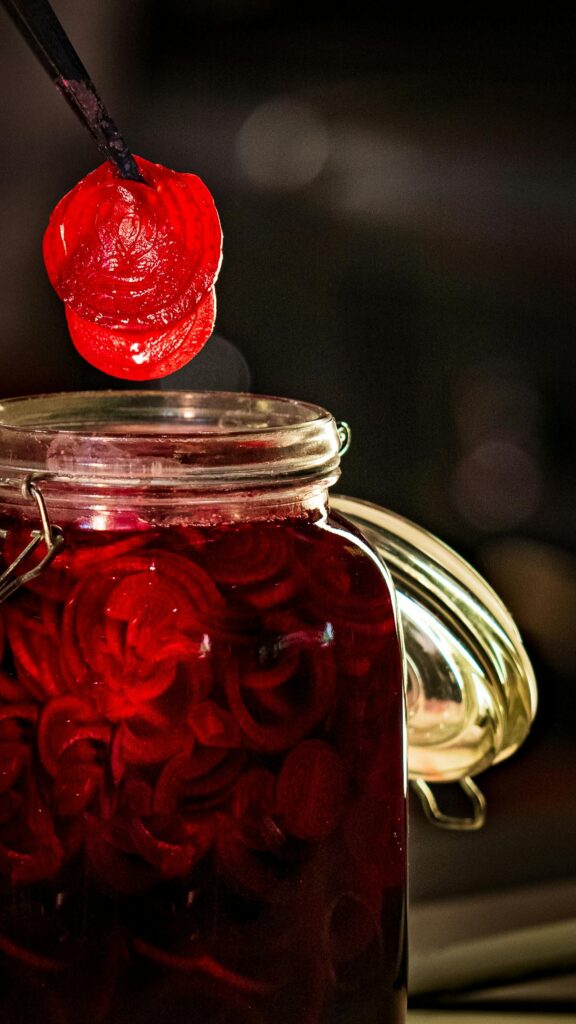
Table of Contents
Why Pickled Beets Are Worth Making
Pickled beets aren’t just about preservation—they’re about flavor. Plus, they help save money by making your own. And in this economy, that’s always a perk. Save where you can! Here’s why they deserve a spot in your kitchen:
- Nutritious & vibrant: Packed with antioxidants, fiber, folate, and vitamins, beets are a true superfood. They also contain potassium, which is so vital for so many functions in our bodies. It’s an essential mineral that supports your heart, nervous system, and your muscles.
- Versatile: Their sweet-sour flavor complements meats, cheeses, and greens beautifully. Seriously, throw them in your salad!
- Beginner-friendly: Quick-pickling requires no special equipment, making it accessible for anyone. This is a great option for those of us that haven’t pulled the bandaid off when it comes to canning.
- Budget-conscious: Preserving beets stretches your harvest and reduces food waste. I’m always looking for ways to save what we’ve grown, and want to learn as much as possible.
Pickled beets are also deeply rooted in tradition. Generations before us knew the value of turning seasonal produce into pantry staples—and each jar felt like a small victory against the long winter ahead.
Choosing the Best Beets for Pickling
Not all beets are created equal when it comes to pickling. If you’ve pickled cucumbers, you’ll find that a certain type of cucumber is required. For cucumbers, you need ones with a thin skin like a Boston pickling cucumber. For beets, there are certain types that do the best.
For the best results:
- Size matters: Smaller beets (2–3 inches across) are sweeter and more tender than oversized ones.
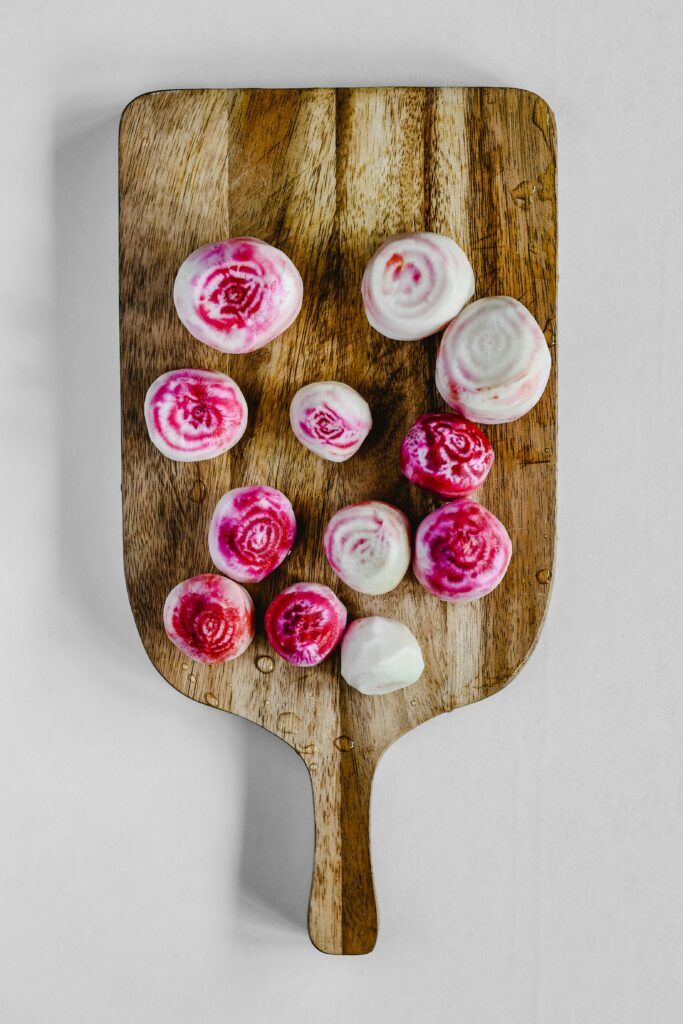
- Varieties to try: Red Detroit beets are classic, golden beets bring a milder flavor, and Chioggia (candy-striped) beets make for stunning jars.
- Freshness is key: Look for firm roots with perky greens attached. If the greens are wilted, the beets may be past their prime.
If you grow your own, harvest before they get too large and woody. Gently twist off the tops, leaving about an inch of stem to prevent bleeding during cooking.
About the Recipe
Before we get to pickling, I wanted to include a little bit more information about the process. Before the beets can be pickled, they first need to be either boiled or roasted. How you cook them is really up to you.
You might be wondering why this step is required though, and here are a few reasons.
- The beets are easier to peel when they’re cooked.
Raw beets are tough, and peeling them with a peeler is time-consuming and messy. Once cooked (boiled or roasted), the skins slip right off with almost no effort—just a quick rub with your fingers or paper towel. - They have a better texture in the jar.
Cooking softens the beets so they absorb the pickling brine more evenly. Raw beets can stay woody or too firm in the jar, especially if you’re doing a quick-pickle style. - It helps to retain their color.
Cooking with the skins on keeps more of the rich color inside the beet. If you peel raw beets before cooking, they’ll “bleed” and lose more of that jewel-toned vibrancy in the water. - The flavor is able to develop better.
Beets develop a sweeter, deeper flavor after cooking. The pickling brine then enhances, rather than competes with, that natural sweetness.
Ok, let’s get started!
Quick Pickled Beets Recipe
Ingredients
- 2 –3 pounds fresh beets
- 1 ½ cups apple cider vinegar or white vinegar for a sharper taste
- 1 cup water
- ½ cup granulated sugar reduce for a more savory pickle
- 1 teaspoon kosher salt
- Optional spices: 1 cinnamon stick 6–8 whole cloves, 1 teaspoon peppercorns, 1 teaspoon mustard seeds
Instructions
- Cook the beets – Scrub clean and trim, leaving about 1 inch of stems. Boil or roast until fork-tender (30–40 minutes depending on size). Cool slightly, then slip off skins.
- Slice or quarter – Cut beets into rounds, wedges, or leave whole if very small.
- Make the brine – Combine vinegar, water, sugar, salt, and spices in a saucepan. Simmer until sugar dissolves.
- Pack jars – Fill clean jars with prepared beets.
- Add brine – Pour hot brine over beets, leaving ½ inch headspace. Seal jars with lids.
- Refrigerate – Store jars in the refrigerator. Allow 24 hours for flavors to meld—best after 3–5 days.
Notes
Flavor Variations to Try
There are so many ways to add different flavors to your pickled beets. Here are some you may want to try.
- Sweet & Spicy: Add red pepper flakes, ginger slices, or jalapeño for heat.
- Herbal Notes: Try dill seed, bay leaves, or fresh thyme in the brine.
- Citrus Brightness: Add strips of orange or lemon peel.
- Garlic Lovers: Toss a clove or two into each jar for a savory kick.
How to Serve Pickled Beets
Pickled beets are as versatile as they are colorful. Try them:
- In salads – Toss with goat cheese, arugula, and walnuts.
- As a side – Pair with roasted chicken, pork chops, or beef stew.
- On sandwiches – Layer in wraps, burgers, or even grilled cheese.
- On a charcuterie board – Serve alongside pickled onions, cheese, and cured meats.
- As a snack – Straight from the jar when you’re craving something tangy.
Frequently Asked Questions (FAQ)
How long do pickled beets last in the fridge?
Up to 3 weeks when stored properly in a sealed container.
Can I can pickled beets for long-term storage?
Yes, but you’ll need to follow a tested water bath canning recipe for safety. Quick-pickled versions are not shelf-stable.
Do I have to peel the beets?
Yes. While you can technically pickle with skins on, peeling makes for a better texture and removes bitterness.
Why are my pickled beets not as bright?
Beets can lose color during cooking. To preserve vibrancy, cook with skins on and peel afterward.
Final Thoughts
Pickled beets are one of those simple, time-honored recipes that feel at home on any table. They’re colorful, tangy, and packed with nutrients—proof that preserving food can be both practical and delicious. Whether you’re new to pickling or carrying on a family tradition, these jars of jewel-toned beets will bring brightness and flavor to your meals all year long.
This post was all about pickled beets.
Other Posts You May Like
Easy Refrigerator Pickles with Garden Pickles
Easy Pickled Onions (Quick, Tangy, + Delicious)
Pickled Radish: A Crisp + Tangy Treat