Pickled Radish: A Crisp + Tangy Treat
If you’ve ever crunched into a bright, tangy radish alongside Korean barbecue or enjoyed the vibrant crunch of pickled vegetables in a salad, you already know how versatile and delicious they can be. Pickled radish is one of those foods that instantly transforms a meal — adding just the right amount of zing, crunch, and freshness.
We love eating pickled vegetables in our house. If you’ve been following along with what I’ve been posting lately, I’ve included recipes for easy refrigerator pickles and pickled red onions. These have both been such a huge hit in our home and it’s great to see that so many people have responded so well to the pickles recipe so far on Pinterest! I hope you’ll all enjoy the pickled onions and now this radish recipe.
Whether you’re making a simple pickled radish recipe at home, this is one of the easiest and most rewarding pickled veggies recipes you can master.
This post is all about pickled radish.
As an Amazon Associate I earn on qualifying purchases. This post contains affiliate links, which means I make a small commission at no extra cost to you. I am in no way sponsored by any of the companies/products listed below and therefore have no bearing on the products I choose to review or recommend.
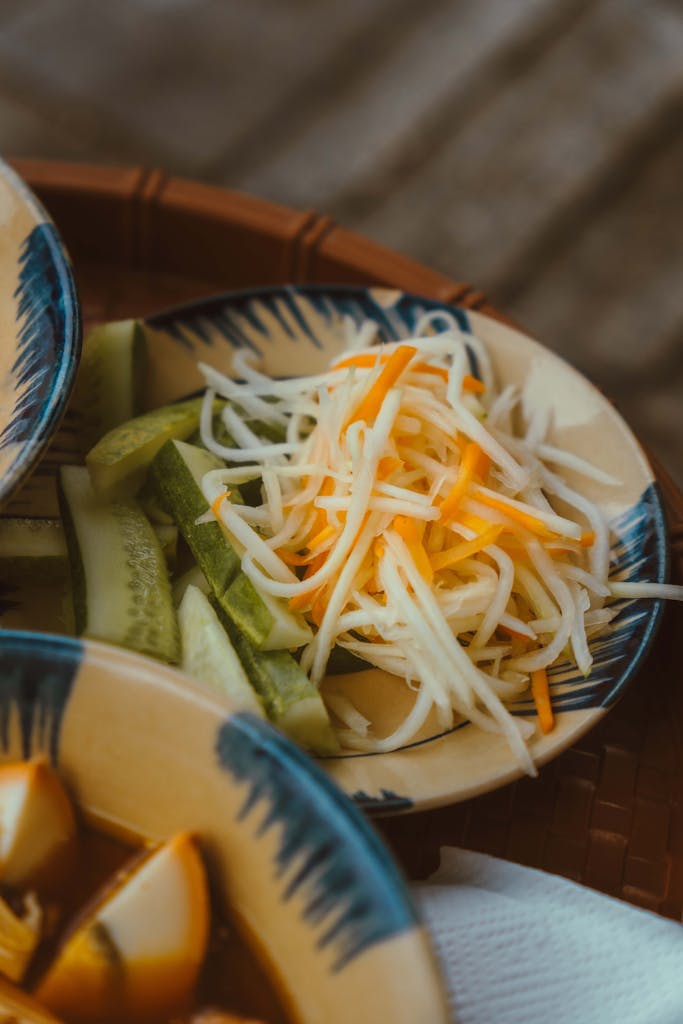
Table of Contents
Why Try Pickled Radish?
Radishes are naturally peppery and crisp, but when you pickle them, they take on a whole new personality. The sharp bite mellows into a tangy-sweet flavor that pairs beautifully with grilled meats, sandwiches, tacos, rice bowls, or salads. In Korean cuisine, pickled daikon radishis often served with fried chicken, kimbap, or barbecue — and for good reason. It balances rich, savory dishes with brightness and crunch.
You just have to try them – they’re a light addition to a meal, and have an amazing flavor.
Health Benefits of Pickled Vegetables
There are so many health benefits to foods like pickled vegetables and fermented foods. They’re each unique with how they can help the body. For centuries, people relied on these ways to preserve food. According to the Farmer’s Almanac (2024),
“The word “pickle” comes from a Dutch word pekel or northern German pókel, meaning “salt” or “brine,” two components that are essential in the pickling process.”
The process of pickling is said to date back 4,000 years ago and originated in Mesopotamia. Evidence of this has been found of cucumbers soaking in an acidic brine. It further evolved after the introduction of cucumbers from India and other preserving methods such as fermenting with saltwater or vinegar. At the time of Cleopatra, pickles were considered a healthy food to eat.
While pickled veggies are usually eaten for flavor, they do have a few health perks:
- Probiotics (in fermented versions): Naturally fermented pickles can aid gut health and digestion. (Note: quick refrigerator pickles aren’t fermented but still add fiber and vitamins.)
- Rich in antioxidants: Radishes contain vitamin C, which supports your immune system.
- Low calorie, high flavor: A small serving adds big taste without many calories.
- Help with regulating blood sugar: it’s believed that the brine that the pickles sit in help to regulate and stabilize blood sugar
Just remember that pickles can be high in sodium, so enjoy them in moderation.
What’s in Commercially Made Pickled Vegetables?
I always prefer to make recipes at home if I can. Easy pickling recipes are quick to whip up when they’re needed. While my daughter is sitting having her snack/lunch time, I’m able to chop up some veggies, make a quick brine, and pack them in a mason jar.
Why I like to steer clear of commercially made pickled vegetables is because of the unnecessary ingredients found in them. If you pick up a jar of pickled radish or another pickled vegetables recipe from the store, you’ll often find:
- Vinegar + water (the base brine)
- Sugar and salt (for flavor and preservation)
- Artificial colors (to enhance visual appeal, especially in some yellow pickled radishes)
- Preservatives (like sodium benzoate or calcium chloride to keep them crisp and extend shelf life)
- Spices or extracts (garlic, turmeric, or chili for flavor variations)
When you make your own pickled veggies recipe, you get to skip the additives and control the flavor exactly how you like it.
Quick Pickled Radish Recipe
One of the best parts about making pickled radish is that you don’t need fancy equipment or hours of time. This is a refrigerator pickled vegetables style recipe, which means you can enjoy them within a day or two. I’ve also made this recipe with carrots, and included links to some of the tools and ingredients that I have on hand and personally use.
Tools You’ll Need
Ingredients
- 1 medium daikon radish, julienned
- 1 medium carrot, julienned
- 1/2 cup boiling water
- 1/4 cup white vinegar
- 1/4 cup rice vinegar
- 2 teaspoons salt
Instructions
- Using a mandoline or knife and peeler, peel and slice the radish and carrot into matchsticks.
- In a saucepan, make the brine. Combine vinegar, water, and sugar. Heat until the sugar dissolves. Allow the liquid to cool to room temperature.
- While the brine is cooling, put the carrots and radish in a large bowl. Mix the 3 ingredients well and let them sit for about 20 minutes. This will help to draw out the water from the vegetables and helps with the texture – nice and crunchy!
- After the vegetables have sat, rinse and drain any of the excess liquid. Pack the carrot and radish into a clean glass jar.
- Pour the cooled brine over the radish and carrot until fully covered.
- Refrigerate the newly pickled vegetables.
They’ll be ready to eat in about 24 hours but taste even better after 2–3 days.
Final Thoughts
Making your own pickled radish and carrot is a simple, affordable way to bring brightness and crunch to your meals. From quick refrigerator pickles to authentic Korean styles, the process is easy — and the payoff is a fridge full of tangy, homemade goodness.
Next time you’re meal prepping, try adding a jar of pickled radish and carrots alongside your refrigerator pickled vegetables. Your taste buds (and dinner guests!) will thank you.
This post was all about pickled radish.
Other Posts You May Like
Easy Refrigerator Pickles with Garden Cucumbers